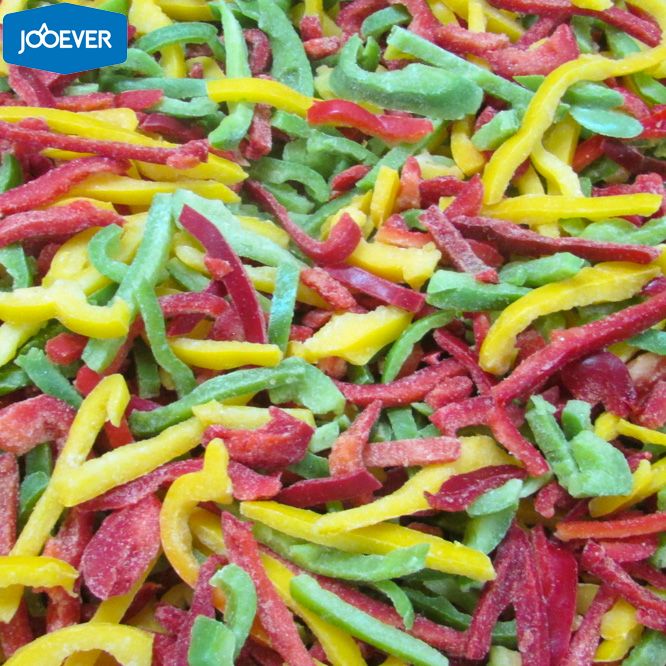


Your reliable partner for frozen foods


Time: 2026-01-16
Frozen peppers, especially frozen bell peppers, have become a popular ingredient in both home kitchens and foodservice operations. Thanks to modern freezing technology, frozen peppers retain most of the nutrients, color, and flavor of fresh peppers while offering better storage stability and convenience. As demand for frozen vegetables continues to grow globally, understanding the real benefits of eating frozen peppers can help buyers and consumers make informed decisions.
This article explains the nutritional value and health benefits of frozen peppers, how freezing affects their quality, and why they are a practical choice for long-term use.
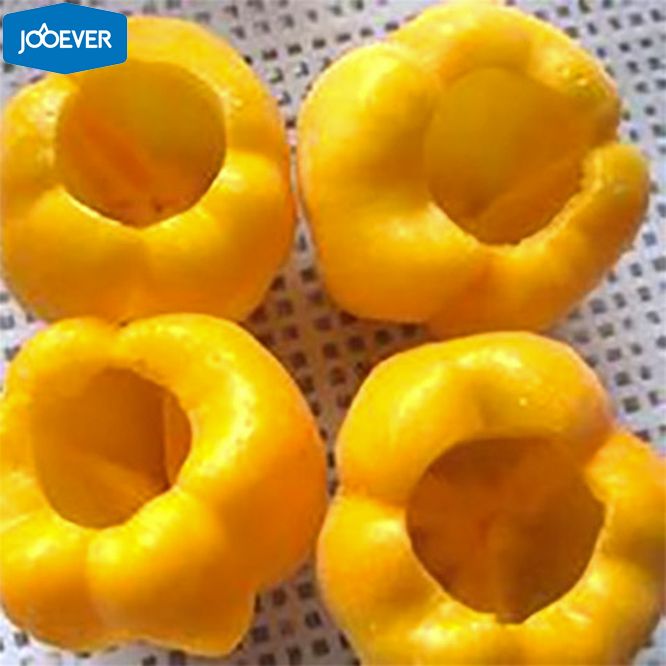
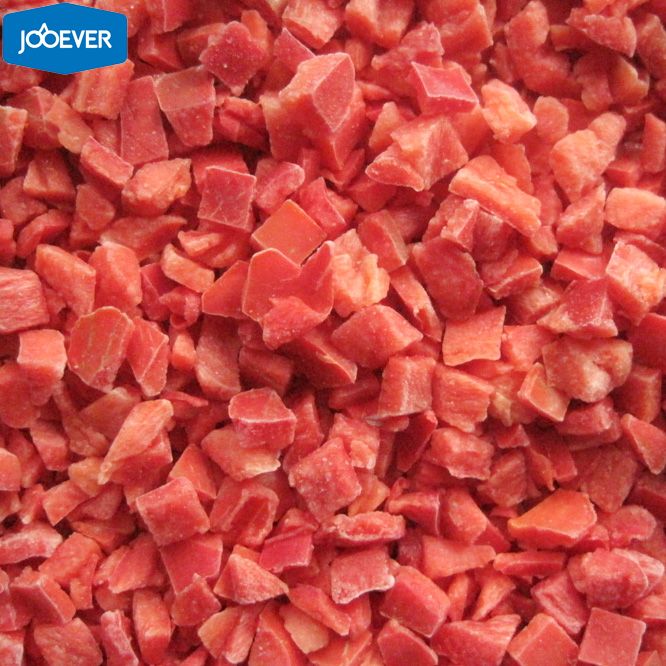
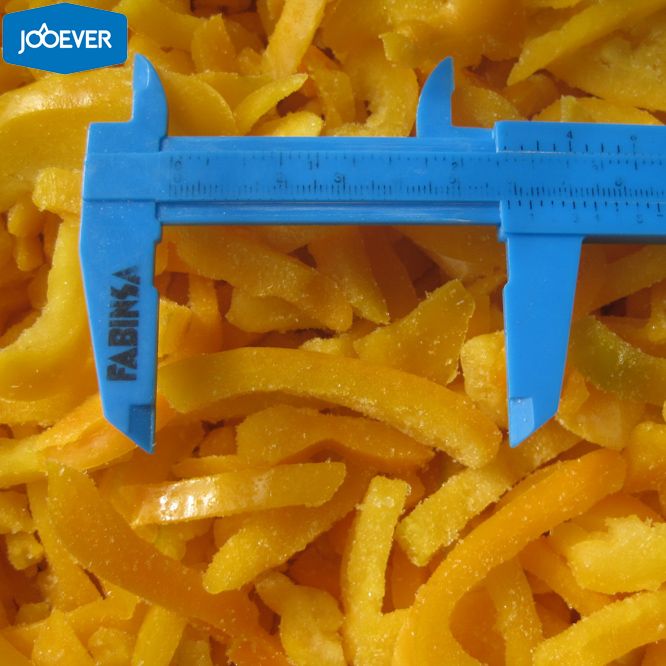
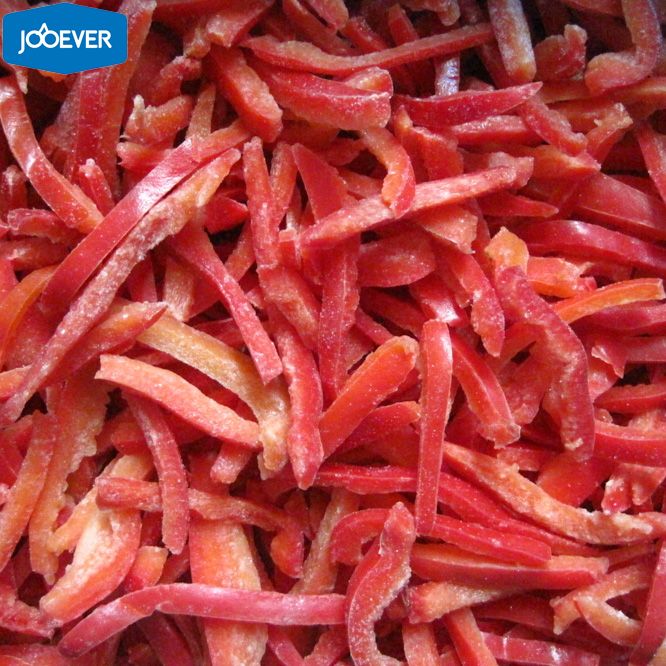
To begin with, frozen peppers are typically made from fresh bell peppers that are harvested at peak maturity, washed, cut, and quickly frozen. Common varieties include red, yellow, orange, and green bell peppers, also known as sweet peppers or capsicums.
Compared with fresh peppers, frozen peppers offer a longer shelf life and consistent quality throughout the year. Because they are frozen soon after harvest, nutrient loss caused by long transportation or storage time is reduced. As a result, frozen peppers remain a reliable vegetable option for both retail and industrial food applications.
From a nutritional perspective, frozen peppers share very similar values with fresh peppers. Bell peppers are naturally low in calories and fat while being rich in water, carbohydrates, fiber, vitamins, and minerals.
Per 100 grams, bell peppers mainly consist of water (around 92%), making them a low-calorie food. They contain approximately 6 grams of carbohydrates, mostly natural sugars like glucose and fructose, which contribute to their mild sweetness. In addition, peppers provide dietary fiber, supporting balanced daily intake.
Because freezing does not significantly change macronutrient composition, frozen peppers remain a nutritious vegetable choice for daily meals.
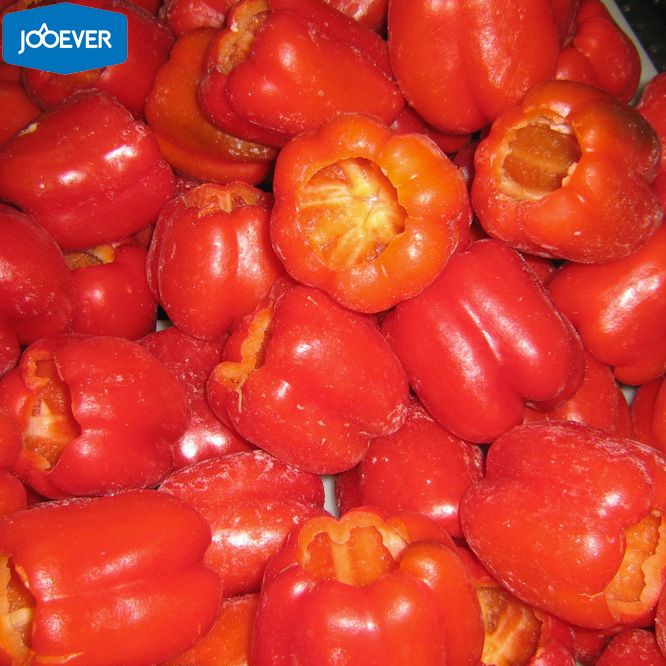
One of the most notable benefits of eating frozen peppers is their high vitamin C content. Red bell peppers, in particular, are among the richest natural sources of vitamin C.
Vitamin C plays an important role in supporting normal immune function and overall health. It also contributes to the body’s antioxidant defense system. When peppers are frozen shortly after harvesting, most of their vitamin C is preserved, making frozen peppers a stable and convenient source of this essential nutrient.
For food manufacturers and catering businesses, frozen peppers provide a consistent way to include vitamin C–rich vegetables in menus and products throughout the year.
In addition to vitamin C, frozen peppers contain several other essential vitamins and minerals.
They are a good source of vitamin B6, which is involved in normal red blood cell formation. Vitamin K1, also present in bell peppers, supports normal blood clotting and bone health. Frozen peppers also provide folate (vitamin B9), which is especially important for normal cell function.
Potassium is another key mineral found in peppers. Potassium supports normal heart and muscle function and plays a role in maintaining fluid balance in the body. Since freezing does not destroy minerals, frozen peppers remain a dependable source of potassium.
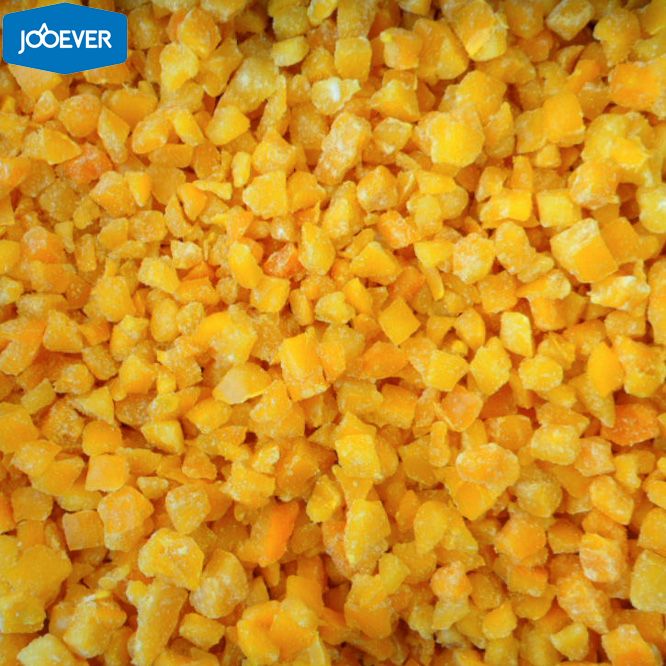
Another important benefit of frozen peppers lies in their natural antioxidants. Bell peppers contain carotenoids such as lutein, zeaxanthin, and beta carotene, especially in red and yellow varieties.
These compounds are known for their role in supporting normal eye health. Lutein and zeaxanthin are found in the retina and help protect eye cells from oxidative stress. Regular intake of vegetables rich in these carotenoids is associated with better nutritional support for vision.
Frozen peppers retain these antioxidants well, making them suitable for long-term storage without significant quality loss.
Frozen peppers also provide dietary fiber, which supports normal digestive function. Although peppers are not among the highest-fiber vegetables, they contribute meaningful fiber while remaining low in calories.
Fiber helps maintain regular digestion and supports balanced eating patterns. For foodservice operators developing vegetable-based meals, frozen peppers are easy to portion and combine with other fiber-rich ingredients.
Beyond nutrition, one practical advantage of frozen peppers is convenience. They are pre-washed, pre-cut, and ready to use, which saves labor and preparation time in commercial kitchens.
In addition, frozen peppers help reduce food waste. Fresh peppers can spoil quickly if not used in time, while frozen peppers can be stored for months under proper conditions. This makes them especially valuable for restaurants, catering companies, and food processors that need consistent supply and cost control.
Another key benefit of frozen peppers is year-round availability. Fresh pepper quality can vary depending on season, climate, and transportation distance. Frozen peppers, on the other hand, offer consistent color, size, and taste.
This consistency is important for manufacturers producing frozen meals, sauces, or ready-to-cook vegetable mixes. Using frozen peppers helps maintain stable product quality regardless of seasonal fluctuations.
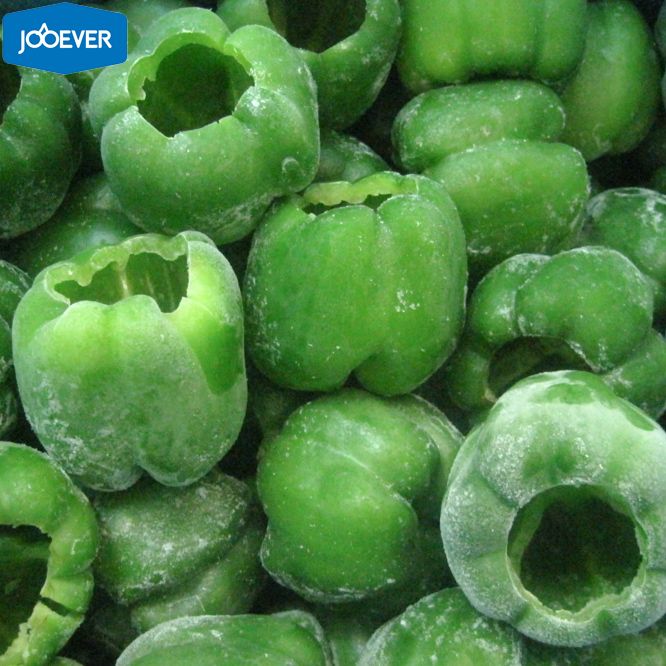
Frozen peppers are widely used across different food sectors. They can be added directly to stir-fries, soups, sauces, pizza toppings, and frozen food products without thawing.
Because freezing preserves texture and color well, frozen peppers maintain an appealing appearance after cooking. This makes them suitable for both industrial processing and foodservice use.
In summary, frozen peppers combine nutritional value, convenience, and long-term storage advantages. They provide vitamin C, essential vitamins and minerals, antioxidants, and fiber, while remaining low in calories and fat.
Thanks to modern freezing methods, frozen peppers maintain most of the benefits of fresh peppers while offering greater flexibility for storage and transportation. For buyers looking for stable quality and reliable supply, frozen peppers are a practical and efficient vegetable option.
When sourcing frozen peppers, product quality, food safety standards, and supply stability are critical factors. A reliable frozen vegetable supplier ensures consistent raw material selection, controlled processing, and strict quality management.
Jooever is an experienced frozen vegetable supplier with over 20 years of expertise in producing and exporting high-quality frozen vegetables. With advanced processing facilities and strict quality control systems, Jooever provides frozen peppers and other frozen vegetable products to customers worldwide.
If you are looking for a dependable frozen vegetable supplier for retail, foodservice, or industrial applications, Jooever is ready to support your business with stable supply and professional service.



© Copyright XIAMEN JOOEVER CO.,LTD All rights reserved. Site Map Powered by jooever.com