

Your reliable partner for frozen foods


Time: 2026-01-09
Frozen onions have become an increasingly popular ingredient in both home kitchens and commercial food production. As lifestyles become busier and food supply chains more globalized, frozen vegetables offer a reliable solution that balances nutrition, convenience, and cost control. Among them, frozen onion stands out as a practical and versatile choice. To understand its value, it is helpful to look at its nutritional profile, health-related benefits, and practical advantages in daily cooking and food service.
To begin with, onions are a staple ingredient used across almost every cuisine worldwide. Traditionally, they are purchased fresh and prepared by hand. However, peeling, chopping, and storing fresh onions requires time and often leads to waste. As a result, frozen onion has emerged as a practical alternative that meets modern cooking and food processing needs.
Frozen onions are typically processed shortly after harvest, when the raw onions are at optimal maturity. They are cleaned, cut, and frozen under controlled conditions, allowing them to retain much of their natural flavor and nutritional value. This makes frozen onion a dependable option for both households and professional kitchens.
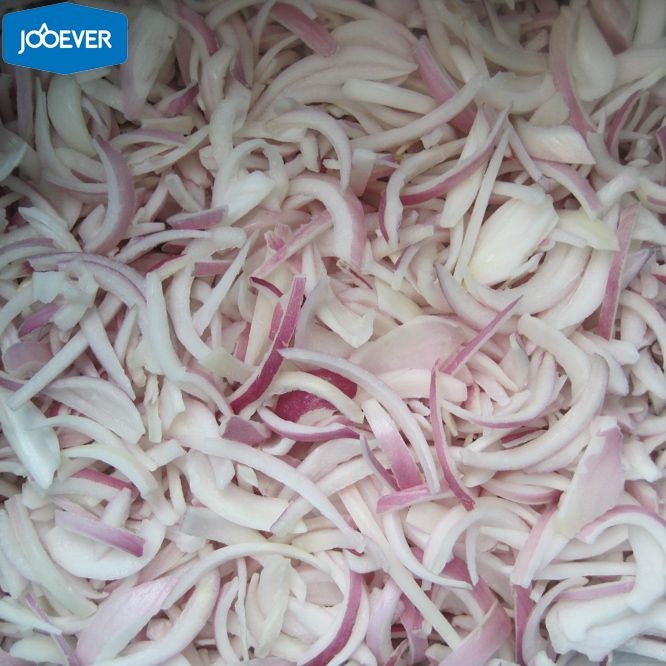
From a nutritional perspective, onions are naturally low in calories while providing several essential nutrients. They contain vitamin C, B vitamins such as vitamin B6 and folate, dietary fiber, and minerals like potassium. These nutrients play established roles in immune support, metabolism, nerve function, and normal cellular activity.
Importantly, frozen onions retain most of these nutrients. Freezing slows down nutrient degradation that can occur during long storage periods for fresh onions. While vitamin C may slightly decrease during processing, frozen onion remains a nutrient-dense vegetable that fits well into a balanced diet.
In addition to basic nutrients, onions are known for their antioxidant content. They naturally contain flavonoids such as quercetin, as well as other polyphenols. These compounds help protect cells from oxidative stress caused by free radicals.
Frozen onion continues to provide these antioxidants because freezing helps preserve plant compounds. When onions are frozen soon after harvesting, their natural antioxidant profile remains relatively stable. As a result, frozen onions contribute to overall dietary antioxidant intake in a similar way to fresh onions.
Based on well-established nutritional functions, frozen onion may support general health in several ways.
Onions contain antioxidants and fiber, both of which are widely associated with heart health. Potassium, another key mineral found in onions, plays a role in normal muscle and nerve function and supports fluid balance in the body. Including frozen onions as part of a vegetable-rich diet can contribute to these recognized nutritional benefits.
Some studies suggest that compounds found in onions may be linked to blood sugar regulation. While much of the existing research is based on laboratory or animal studies, onions are generally considered a low-calorie, low-fat vegetable suitable for balanced meals. Frozen onion allows consistent intake without seasonal limitations.
Vitamin C and antioxidants in onions support normal immune function and help protect cells from oxidative damage. Since frozen onions retain these nutrients, they remain a practical option for year-round use.
Beyond nutrition, one of the most significant benefits of frozen onion is convenience. Fresh onions require peeling, chopping, and careful storage. Frozen onions, by contrast, are pre-prepared and ready to use directly from the freezer.
This convenience is valuable for home cooks who want to save time during meal preparation. It is even more important in restaurants, catering services, and food manufacturing, where labor efficiency and speed are critical. Frozen onion also eliminates the issue of tears during cutting and reduces preparation errors.
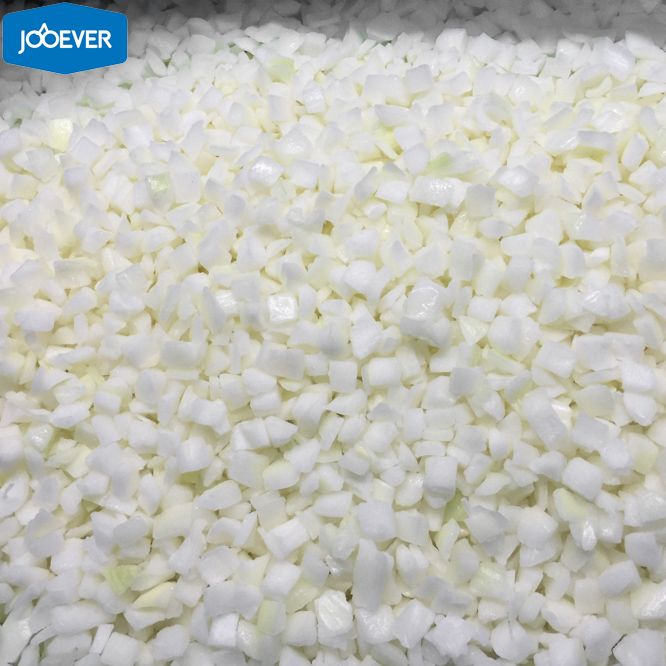
Another key benefit is cost control. Frozen onions are often more economical than fresh onions, especially when purchased in bulk. Because they have a long shelf life, there is less risk of spoilage and food waste.
For food service operators and manufacturers, buying frozen onions in bulk helps stabilize ingredient costs and simplifies inventory management. This predictability is particularly important in competitive markets where consistent pricing supports long-term planning.
Fresh onions can vary in size, moisture, and flavor depending on season, origin, and storage conditions. Frozen onion, on the other hand, offers consistent quality. The processing standards ensure uniform cuts, stable texture, and reliable flavor across batches.
This consistency is essential for restaurants and food producers that need the same taste and appearance in every dish or product. Using frozen onions helps maintain brand standards and customer satisfaction.
Frozen onions are extremely versatile. They can be used in soups, stews, sauces, stir-fries, casseroles, and prepared meals. They work well in both home cooking and industrial food production, including ready meals, sauces, and frozen foods.
Because they are already prepared, frozen onions integrate easily into different recipes without altering cooking workflows. This flexibility makes them a valuable ingredient across many applications.
When comparing frozen onion with fresh onion, each has its place. Fresh onions may be preferred for raw applications, such as salads. However, frozen onions offer advantages in storage life, preparation time, waste reduction, and consistency.
For cooked dishes and large-scale food preparation, frozen onion often provides greater efficiency and reliability without compromising nutritional value.
The quality of frozen onion depends heavily on the supplier. Factors such as raw material selection, processing standards, food safety systems, and cold-chain management all affect the final product. Working with an experienced frozen vegetable supplier ensures stable quality, safety compliance, and consistent supply.
In summary, frozen onion offers a combination of nutritional value, convenience, cost-efficiency, and consistency. It supports everyday cooking and large-scale food production while helping reduce preparation time and food waste. For modern consumers and businesses alike, frozen onion is a practical and reliable vegetable solution.
As a professional frozen vegetable supplier, Jooever specializes in supplying high-quality frozen vegetables, including frozen onions, to global markets. With strict quality control, stable supply capacity, and international export experience, Jooever supports food service companies, manufacturers, and distributors with reliable frozen vegetable solutions.
If you are looking for a trusted frozen vegetable supplier to support your business growth, Jooever is ready to work with you.



© Copyright XIAMEN JOOEVER CO.,LTD All rights reserved. Site Map Powered by jooever.com