

Your reliable partner for frozen foods


Time: 2026-01-26
Pumpkin is widely known as a seasonal favorite, especially in autumn, but its nutritional value and versatility make it far more than a holiday ingredient. As consumer demand shifts toward convenient, nutritious, and stable food options, frozen pumpkin has become an increasingly popular choice for households, restaurants, and food manufacturers alike.
To better understand its value, it is helpful to look at both the natural benefits of pumpkin itself and the practical advantages of choosing it in frozen form.
To begin with, pumpkin belongs to the Cucurbitaceae family, commonly referred to as winter squash. Although it is often treated as a vegetable in cooking, pumpkin is scientifically classified as a fruit because it contains seeds. Nutritionally, however, it behaves much more like a vegetable—low in calories and rich in essential nutrients.
Pumpkin has been consumed for centuries and is valued across different cultures for its mild flavor and adaptability. As food systems modernize, pumpkin is no longer limited to fresh seasonal use. Instead, frozen pumpkin allows consumers and businesses to enjoy its benefits year-round.
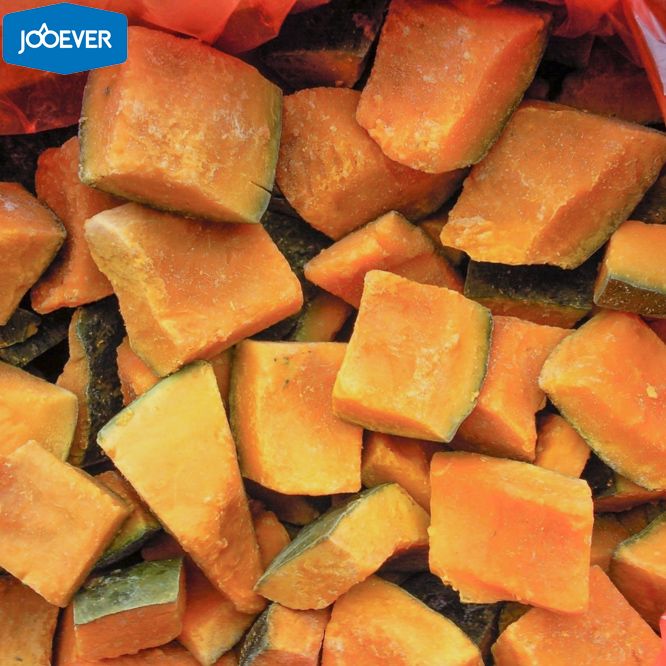
From a nutritional standpoint, pumpkin offers a strong balance of low energy content and high nutrient density. One cup of cooked pumpkin contains relatively few calories while providing fiber, carbohydrates, and a wide range of vitamins and minerals.
In addition, pumpkin is composed largely of water, which contributes to its low calorie count. This makes it suitable for balanced diets where nutrient intake matters more than calorie load. When pumpkin is processed and frozen at peak maturity, these natural characteristics are largely preserved.
One of pumpkin’s most recognized nutritional features is its high beta-carotene content. Beta-carotene is a naturally occurring pigment that the body converts into vitamin A, an essential nutrient for normal vision, immune function, and cell growth.
Pumpkin’s bright orange color is a visual indicator of this carotenoid content. When pumpkin is frozen shortly after harvesting, beta-carotene remains stable, allowing frozen pumpkin to retain this important nutritional quality. As a result, frozen pumpkin continues to serve as a reliable plant-based source of vitamin A in everyday meals.
Beyond beta-carotene, pumpkin contains several naturally occurring antioxidants, including carotenoids such as alpha-carotene, lutein, and zeaxanthin. Antioxidants play a recognized role in helping neutralize free radicals produced during normal metabolic processes.
In a balanced diet, antioxidant-rich vegetables like pumpkin contribute to overall nutritional diversity. Importantly, freezing pumpkin helps maintain these compounds by reducing exposure to oxygen and slowing nutrient degradation over time.
In addition to vitamin A, pumpkin contains vitamin C, vitamin E, iron, and folate, all of which are known to support normal immune function. These nutrients are part of everyday dietary requirements and are especially important in diets that emphasize plant-based foods.
Frozen pumpkin offers a convenient way to include these nutrients without the limitations of fresh pumpkin’s short shelf life. As a result, it fits well into both home cooking and large-scale food preparation.
Another advantage of pumpkin lies in its content of lutein and zeaxanthin, two carotenoids commonly associated with eye health. These nutrients are naturally found in colorful vegetables and are often included in diets focused on long-term wellness.
Pumpkin stands out as one of the vegetables that naturally provides these compounds, making it a valuable addition to a varied vegetable intake. Choosing frozen pumpkin ensures consistent access to these nutrients regardless of season.
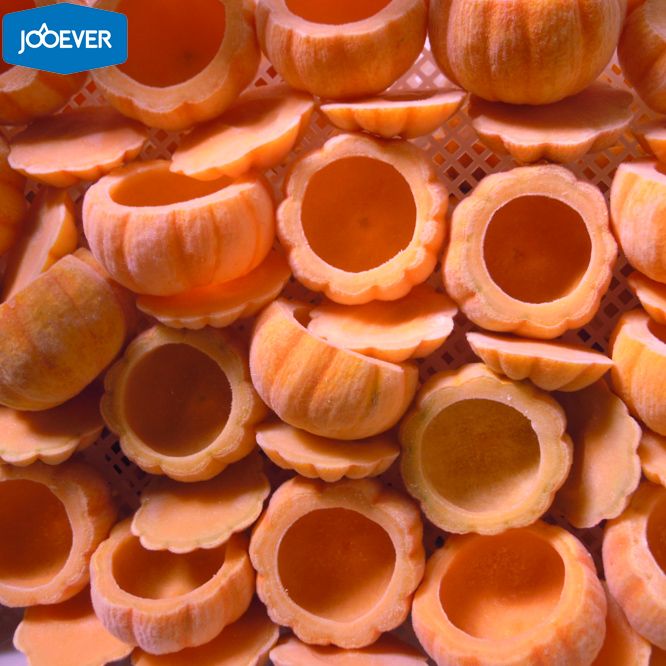
Pumpkin also contains dietary fiber and potassium, both of which are widely recognized as important components of a balanced diet. Fiber supports normal digestion, while potassium plays a role in fluid balance and normal muscle function.
Although pumpkin is not a high-fat food, its nutrient composition makes it suitable for heart-conscious diets when consumed as part of a varied meal plan. Frozen pumpkin retains these components, making it a practical option for regular use.
While fresh pumpkin has its appeal, it also comes with limitations. Whole pumpkins are bulky, require peeling and cutting, and have a limited storage period. In contrast, frozen pumpkin is cleaned, cut, and frozen at peak freshness, offering clear advantages.
Frozen pumpkin provides:
Long shelf life without preservatives
Reduced food waste
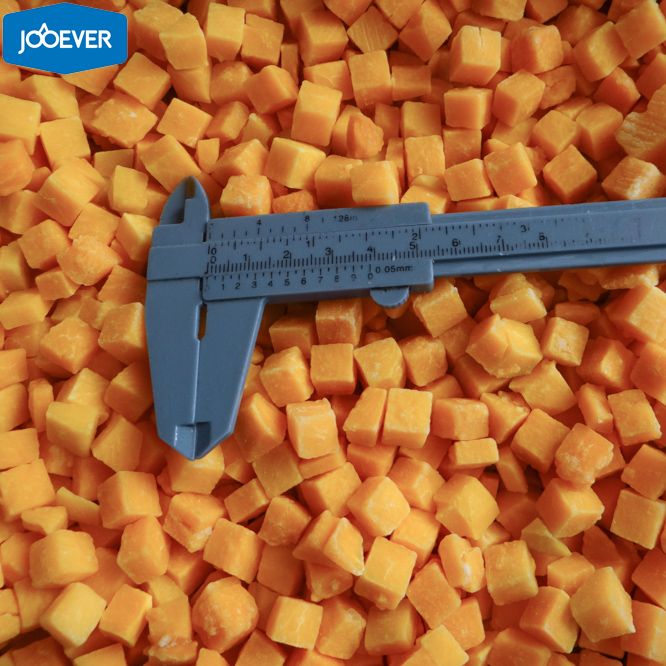
Consistent portion sizes
Year-round availability
For both consumers and businesses, these benefits translate into efficiency and reliability.
Another key benefit of frozen pumpkin is consistent quality. Frozen vegetables are processed under controlled conditions, which helps maintain uniform size, texture, and color. This consistency is especially important for food manufacturers and foodservice operators who rely on standardized ingredients.
Moreover, frozen pumpkin is typically produced following strict food safety systems, making it suitable for international trade and long-distance distribution.
Thanks to its versatility, frozen pumpkin is widely used across multiple sectors:
Soups and sauces
Bakery products and desserts
Baby food and purées
Ready meals and frozen food lines
Because it blends easily and has a mild flavor, frozen pumpkin adapts well to both sweet and savory recipes.
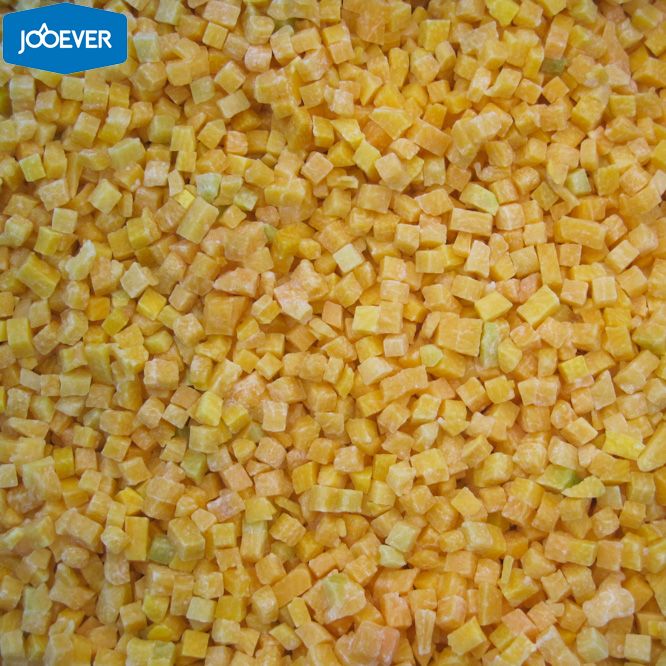
From a supply chain perspective, frozen pumpkin fits well into modern global food systems. Its stable frozen form allows for efficient cold-chain transportation, predictable inventory management, and reduced seasonal risk.
For importers, wholesalers, and food processors, working with a reliable frozen pumpkin supplier ensures consistent supply without dependence on local harvest seasons.
When sourcing frozen pumpkin, buyers should focus on:
Stable raw material sourcing
Modern processing facilities
Clear food safety certifications
Export and logistics experience
A professional frozen vegetable supplier can provide not only product quality but also long-term supply stability.
In summary, pumpkin is a naturally nutrient-rich food that offers vitamins, antioxidants, fiber, and minerals in a low-calorie package. When processed and preserved through freezing, pumpkin becomes even more practical—maintaining its nutritional value while gaining convenience, consistency, and extended shelf life.
For today’s consumers and food businesses, frozen pumpkin represents a smart balance between nutrition and efficiency.
As an experienced frozen vegetable supplier, Jooever specializes in providing high-quality frozen vegetables, including frozen pumpkin, to global markets. With a strong focus on food safety, stable sourcing, and international export standards, Jooever supports importers, wholesalers, and food manufacturers with reliable frozen vegetable solutions.
If you are looking for a dependable frozen vegetable supplier for long-term cooperation, Jooever is ready to support your business needs.



© Copyright XIAMEN JOOEVER CO.,LTD All rights reserved. Site Map Powered by jooever.com