

Your reliable partner for frozen foods


Time: 2026-05-08
As consumers continue to look for healthy and convenient food options, frozen berries are becoming increasingly popular in global markets. Among these berry products, mulberries are gaining attention because of their natural sweetness, nutritional value, and wide range of food applications.
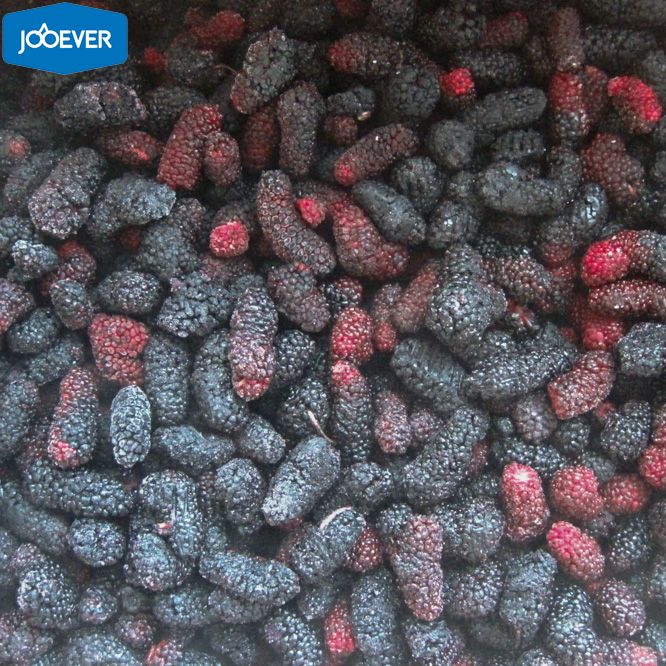
Mulberries are the fruits of mulberry trees and are available in several varieties, including black, white, and red mulberries. Traditionally, they are consumed fresh, dried, or processed into jams, beverages, and desserts. Today, IQF frozen mulberries are widely used in smoothies, bakery products, dairy products, and health foods.
Compared with fresh mulberries, frozen mulberries offer longer shelf life, easier storage, and year-round availability. With modern IQF technology, frozen mulberries can maintain their natural flavor, texture, and nutritional quality while supporting stable global supply.
To understand the advantages of frozen mulberries, it is important to first understand IQF technology. IQF stands for Individually Quick Frozen, a freezing process that rapidly freezes each berry separately at very low temperatures.
Unlike traditional block freezing, IQF technology prevents the berries from sticking together. As a result, users can easily portion and use the exact amount needed without thawing the entire package.
In addition, rapid freezing helps preserve the fruit’s original shape, color, and taste. This is especially important for delicate berries such as mulberries. IQF frozen mulberries are also more convenient for food manufacturers, wholesalers, and foodservice companies because they offer consistent quality and easy handling.
Frozen mulberries are valued not only for their taste but also for their nutritional content. Fresh mulberries are naturally low in calories and fat while containing carbohydrates, dietary fiber, vitamins, and minerals.
One important nutrient found in mulberries is vitamin C, which supports immune health and normal body functions. Mulberries also contain iron, which helps transport oxygen throughout the body. In addition, they provide vitamin K1, potassium, and vitamin E.
Dietary fiber is another important component of mulberries. Both soluble and insoluble fiber contribute to digestive wellness and balanced nutrition.
Because IQF processing is completed shortly after harvest, frozen mulberries can maintain much of their nutritional value during storage and transportation.
Another major benefit of frozen mulberries is their antioxidant content. Mulberries contain beneficial plant compounds, including anthocyanins and polyphenols, which help protect cells from oxidative stress.
The dark color of black mulberries is associated with anthocyanins, natural pigments commonly found in berries. These compounds are widely recognized for their antioxidant properties.
In addition, vitamin C and vitamin E in mulberries also contribute to antioxidant activity in the body. Antioxidants help protect cells from damage caused by environmental stress and normal metabolic processes.
Since IQF frozen mulberries are typically processed at peak ripeness, many of these natural compounds are preserved effectively after freezing.
Frozen mulberries can also contribute to immune system support. Vitamin C is one of the key nutrients involved in normal immune function and tissue repair.
The body cannot naturally produce vitamin C, so obtaining it through foods is important. Frozen mulberries provide a convenient and reliable source of this essential nutrient throughout the year.
At the same time, antioxidants found in mulberries help support the body’s natural defense system by reducing oxidative stress.
Because frozen mulberries are easy to store and use, they can be conveniently added to smoothies, yogurt, breakfast bowls, and snacks as part of a balanced diet.
In addition to immune support, frozen mulberries may help support digestive wellness because of their fiber content. Mulberries contain both soluble and insoluble fiber, each playing a different role in digestion.
Soluble fiber may help support nutrient absorption and digestive balance, while insoluble fiber helps maintain regular bowel movement. Adequate fiber intake is also associated with overall gut health.
Compared with many processed snacks, frozen mulberries provide natural sweetness together with dietary fiber, making them suitable for healthier food formulations.
This is one reason why frozen mulberries are increasingly used in nutritional foods and wellness-focused products.
Frozen mulberries also contain nutrients associated with heart health. Potassium helps maintain normal fluid balance and supports healthy blood pressure levels.
At the same time, dietary fiber and antioxidant compounds may help support cardiovascular wellness as part of a balanced diet.
Although mulberries are naturally sweet, they are relatively low in fat and contain beneficial nutrients that fit well into healthy eating patterns.
For food manufacturers developing health-focused products, IQF frozen mulberries offer both nutritional value and attractive appearance.
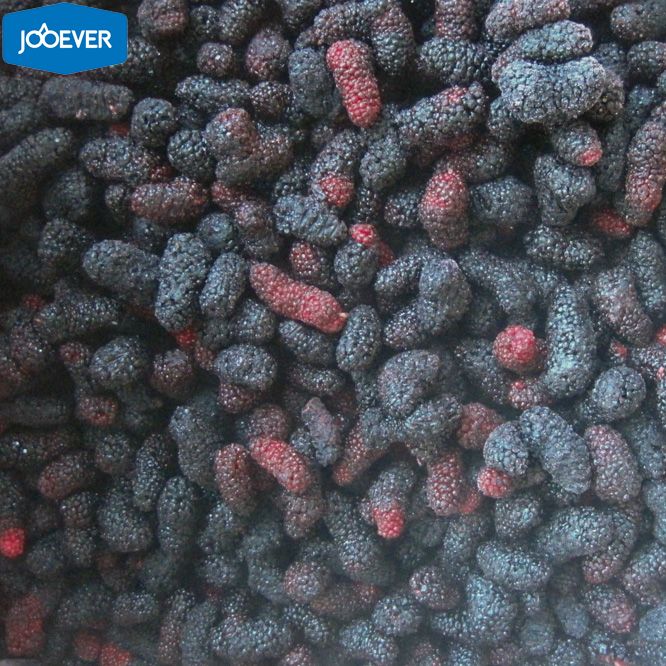
Besides their nutritional advantages, IQF frozen mulberries offer important practical benefits. Fresh mulberries are delicate and highly seasonal, making storage and transportation more difficult.
However, IQF frozen mulberries are available year-round and can maintain stable quality over long periods under proper frozen storage conditions.
Because the berries are individually frozen, they are easy to use in both household and industrial applications. This reduces waste and improves efficiency for restaurants, bakeries, beverage producers, and frozen dessert manufacturers.
In addition, frozen mulberries simplify inventory management for importers, wholesalers, and retailers.
Today, IQF frozen mulberries are widely used in many food sectors. They are commonly added to smoothies, juices, yogurt, ice cream, bakery products, fruit fillings, jams, and health snacks.
Their natural color and berry flavor make them attractive ingredients for premium food and beverage products. Consistent berry size and stable quality are also important advantages for industrial production.
For companies sourcing from a reliable frozen fruits supplier, IQF frozen mulberries provide dependable quality and stable supply for large-scale manufacturing.
Food safety and quality control are essential in frozen fruit production. High-quality frozen mulberries should be processed under strict HACCP and ISO food safety management systems.
From raw material selection to washing, freezing, packaging, and cold chain transportation, every step should follow professional quality standards.
Advanced IQF processing helps reduce texture damage while maintaining the fruit’s natural characteristics. Proper cold storage at -18°C or below also helps preserve freshness and product stability.
In summary, frozen mulberries are a nutritious and versatile frozen berry product. They provide vitamins, minerals, dietary fiber, and antioxidants while offering practical advantages such as long shelf life and year-round availability.
With IQF technology, frozen mulberries can maintain their natural taste, texture, and nutritional value while supporting efficient transportation and industrial food production.
As demand for frozen berry products continues to grow worldwide, frozen mulberries are becoming an increasingly valuable option for consumers, retailers, and food manufacturers alike.
Jooever is a professional frozen fruits supplier with extensive experience in manufacturing and exporting high-quality IQF frozen fruits and frozen berries to global markets. Our products are processed under strict HACCP and ISO food safety standards to ensure stable quality, food safety, and reliable supply.
We offer premium IQF frozen mulberries, frozen berries, frozen tropical fruits, and customized packaging solutions for wholesalers, importers, retailers, and food manufacturers worldwide.
If you are looking for a trusted frozen fruits supplier for IQF frozen mulberries and other frozen fruit products, contact Jooever today for more information and cooperation opportunities.



© Copyright XIAMEN JOOEVER CO.,LTD All rights reserved. Site Map Powered by jooever.com