

Your reliable partner for frozen foods


Time: 2026-05-11
In recent years, frozen tropical fruits have become increasingly popular in global food markets. Among them, mango remains one of the most widely consumed tropical fruits because of its sweet flavor, bright color, and rich nutritional value. From smoothies and desserts to dairy products and beverages, mango is now used in many food applications worldwide.
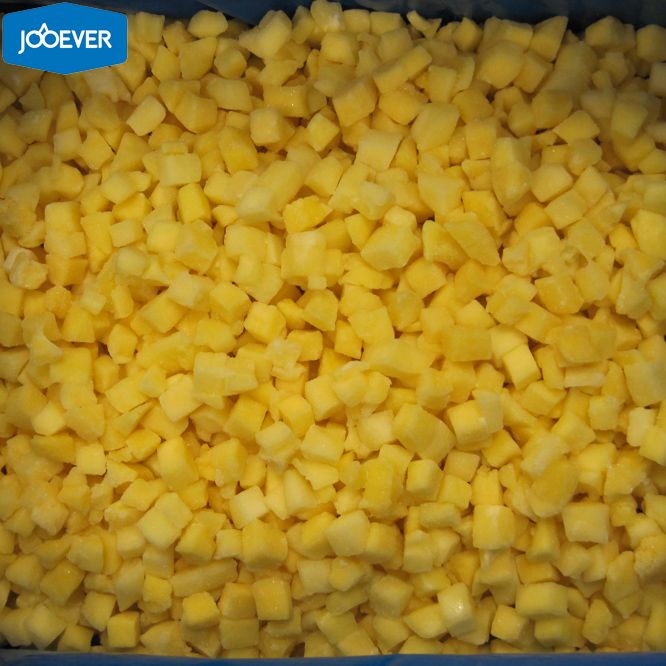
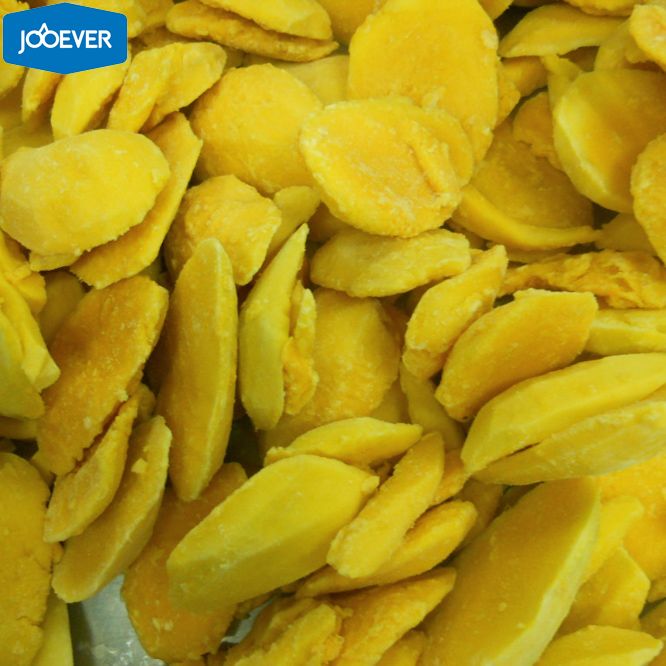
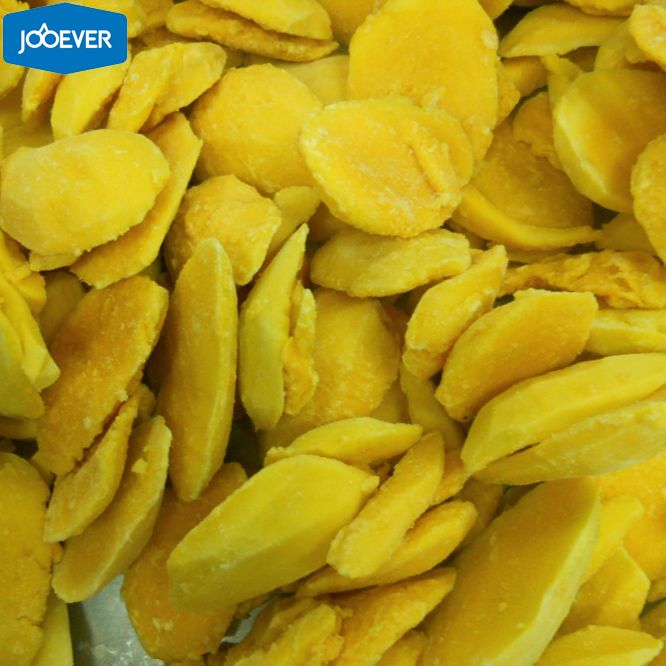
At the same time, frozen mango has become an important product for retailers, foodservice companies, and food manufacturers. Unlike fresh mango, frozen mango offers stable quality, longer shelf life, and year-round availability. With the support of IQF technology, frozen mango can maintain its natural taste and texture while improving convenience for commercial and household use.
To better understand the advantages of frozen mango, it is important to know how it is processed. IQF stands for Individually Quick Frozen, a technology that rapidly freezes each mango piece separately at very low temperatures.
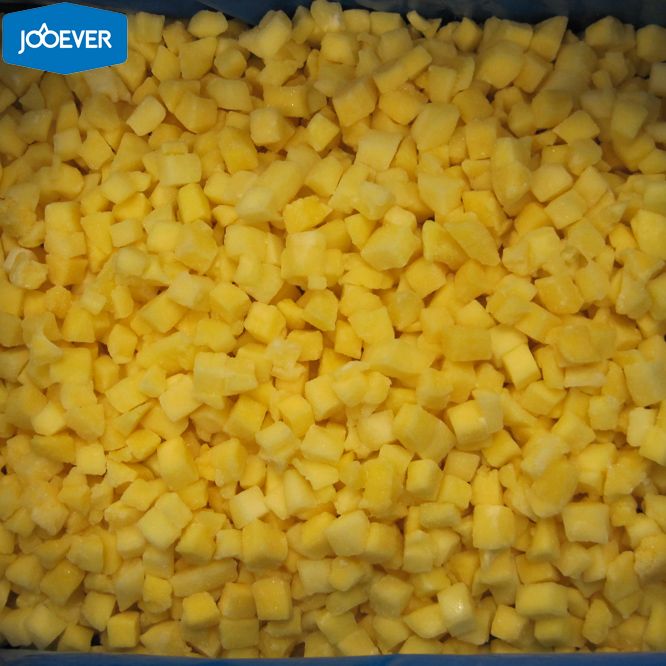
Compared with traditional freezing methods, IQF processing helps preserve the fruit’s natural color, sweetness, and texture. Because each piece is frozen individually, the mango does not stick together after freezing. This allows users to take only the required amount without thawing the entire package.
In addition, IQF frozen mango is convenient for industrial food production because it offers consistent size and quality. This makes it highly suitable for smoothies, bakery products, desserts, and ready-to-eat foods.
When looking at nutrition, frozen mango provides a wide range of essential nutrients. Mango is naturally rich in vitamin C, dietary fiber, copper, folate, and vitamin A. It also contains moderate amounts of vitamin E, potassium, and several B vitamins.
One of the most important nutrients in mango is vitamin C, which supports the immune system and helps the body absorb iron. Mango also contains fiber, which supports digestive health and contributes to balanced eating habits.
Because IQF freezing is completed shortly after harvest, many nutrients are preserved effectively during storage and transportation. As a result, IQF frozen mango can maintain high nutritional quality while offering a longer shelf life compared with fresh fruit.
In addition to vitamins and minerals, frozen mango contains beneficial antioxidants. Mango provides plant compounds such as polyphenols and beta-carotene, which help protect cells from oxidative stress.
Beta-carotene is converted into vitamin A in the body and plays an important role in supporting eye and skin health. Vitamin C also acts as an antioxidant while supporting collagen production and immune function.
Since mangoes used for IQF processing are usually harvested at peak ripeness, the fruit maintains much of its natural antioxidant content after freezing. This makes frozen mango a valuable ingredient for health-focused food products and beverages.
Another important benefit of frozen mango is its contribution to immune health. Vitamin C helps support normal immune function and assists the body in dealing with environmental stress and daily challenges.
At the same time, vitamin C contributes to tissue repair and healthy cell growth. Since the human body cannot naturally produce vitamin C, regular intake through foods such as mango is important.
Frozen mango provides a convenient year-round source of vitamin C, especially in regions where fresh tropical fruits may not always be available.
Beyond immune support, frozen mango also contributes to digestive wellness. The dietary fiber found in mango supports normal digestion and helps maintain bowel regularity.
Fiber can also help improve satiety, making meals feel more filling. Combined with natural fruit sugars, frozen mango provides balanced energy without relying on processed sweeteners.
Because of its sweet taste and soft texture, frozen mango is widely used in smoothies, yogurt, fruit bowls, and healthy desserts. This versatility increases its popularity among both consumers and food manufacturers.
Frozen mango may also help support healthy skin and vision. Mango contains vitamin A and beta-carotene, nutrients associated with normal eye function and skin maintenance.
In addition, vitamin C supports collagen production, which is important for maintaining skin structure and elasticity. Antioxidants found in mango may also help reduce the effects of environmental stress on skin cells.
For this reason, mango is commonly used in wellness beverages, fruit snacks, and beauty-focused food products.
Besides nutritional benefits, IQF frozen mango offers significant practical advantages. Fresh mangoes are seasonal and can spoil quickly during transportation and storage. Frozen mango, however, provides stable quality throughout the year.
Because the fruit is pre-cut and individually frozen, preparation time is greatly reduced. This is especially important for restaurants, beverage chains, bakeries, and industrial food processors.
In addition, IQF frozen mango helps reduce food waste since only the required amount needs to be used. Its long shelf life also improves inventory management for importers, wholesalers, and retailers.
From a commercial perspective, frozen mango is widely used across many food sectors. It is commonly added to smoothies, juices, yogurt, ice cream, desserts, bakery products, and bubble tea beverages.
Its bright color and tropical flavor make it highly attractive for premium food products. At the same time, its consistent texture and size improve efficiency in industrial production.
For businesses working with a reliable frozen fruits supplier, IQF frozen mango offers dependable supply and stable product quality, both of which are essential for large-scale manufacturing.
Equally important, quality and food safety are critical in frozen fruit processing. High-quality IQF frozen mango should be processed under strict HACCP and ISO food safety systems.
From raw material selection and washing to cutting, freezing, and packaging, every production step should follow strict quality management procedures. Advanced cold chain logistics also help maintain freshness during transportation and storage.
Professional processing systems help ensure that frozen mango products meet international market standards for quality and safety.
In summary, frozen mango combines nutrition, convenience, and commercial value. Rich in vitamin C, fiber, antioxidants, and natural plant compounds, it supports a balanced and healthy diet.
At the same time, IQF technology helps preserve the fruit’s natural flavor, texture, and nutritional quality while improving usability and shelf life. Its wide range of food applications and year-round availability make frozen mango an excellent choice for consumers, retailers, and food manufacturers worldwide.
As a professional frozen fruits supplier, Jooever is committed to providing high-quality IQF frozen mango and other premium frozen fruit products to customers around the world. With over 20 years of experience in frozen food manufacturing and export, Jooever offers reliable supply, strict HACCP and ISO quality control, and customized packaging solutions for global markets.
If you are looking for a trusted partner for bulk IQF frozen mango, tropical frozen fruits, or customized frozen fruit solutions, contact Jooever today to learn more about our products and services.



© Copyright XIAMEN JOOEVER CO.,LTD All rights reserved. Site Map Powered by jooever.com