

Your reliable partner for frozen foods

Time: 2026-06-17
Imagine enjoying the vibrant taste and texture of summer-picked strawberries or crisp green beans in the middle of winter. This is made possible by Individual Quick Freezing (IQF), a revolutionary food preservation technology.
IQF, also known as flash-freezing, is a method that freezes individual pieces of food separately rather than in a large block. This process, which has been commercially used since the 1960s, involves subjecting small, individual pieces of fruits, vegetables, or other foods to extremely low temperatures in a matter of minutes.
The result is a free-flowing product where each piece—whether a blueberry, a green bean, or a diced carrot—is frozen independently, preventing them from sticking together. For B2B buyers in the food service, manufacturing, and retail sectors, understanding IQF is crucial. It's not just a freezing method; it's a technology that directly impacts product quality, operational efficiency, and ultimately, your bottom line.
In this complete guide, we will explain how IQF works, explore its key advantages over traditional freezing, and show you why it is the preferred choice for high-quality frozen vegetables and frozen fruits.
The IQF process is a carefully controlled sequence designed to preserve the natural qualities of fresh produce. The journey from fresh to frozen involves several key stages:
Freshly harvested fruits and vegetables are first thoroughly inspected. They are then washed, and depending on the product, may be peeled, sliced, diced, or cut to specific sizes. This preparation ensures that only the best quality produce enters the freezing line.
Before freezing, most vegetables undergo a brief heat treatment called blanching. The vegetables are exposed to hot water or steam for a short period. This critical step serves two main purposes: it inactivates enzymes that would otherwise cause the vegetables to lose color, flavor, and texture over time. It also helps to clean the product and set the color.
This is the heart of the process. The prepared produce is spread in a single layer on a conveyor belt that travels through a specialized, enclosed IQF tunnel freezer.
Extremely Low Temperatures: Inside the tunnel, the food is blasted with air at temperatures as low as -40°C to -60°C. Some cryogenic systems can be even colder, using liquid nitrogen at -196°C.
High-Velocity Airflow: Powerful fans create a turbulent airflow that circulates the cold air around each individual piece of food. This rapid heat exchange is what makes the process so quick.
Fluidization: In many IQF systems, the combination of cold air and a vibrating belt causes the individual pieces to float or become suspended in the air stream, a state known as fluidization. This ensures that every surface of the product is exposed to the cold air simultaneously, preventing them from clumping together and ensuring uniform freezing.
The magic of IQF is its speed. The entire process takes only minutes. For example, peas or small diced vegetables can be fully frozen in just 3 to 5 minutes. This rapid freezing is the key to preserving quality.
Once frozen, the individual pieces are free-flowing. They are then conveyed to a packaging line where they are packed into bags or cartons. Because they are not frozen in a solid block, they can be easily poured and weighed for precise portion control.
To appreciate IQF, it's helpful to compare it with traditional slow-freezing or block-freezing methods.
| Aspect | IQF (Individual Quick Freezing) | Traditional Block Freezing |
|---|---|---|
| The Process | Freezes each piece individually and quickly. | Freezes products together in a large, solid block. |
| Final Product | Free-flowing, individual pieces. | A solid, clumped block. |
| Ice Crystals | Microscopic, causing minimal cell damage. | Large, irregular ice crystals that rupture cell walls. |
| Quality | Superior texture, color, flavor, and nutritional value. | Often results in a mushy texture, loss of flavor, and nutrient degradation upon thawing. |
| Usage | You can pour out and use exactly the amount you need; the rest stays frozen. | The entire block often needs to be thawed or broken apart, leading to waste and inconsistent portioning. |
The key difference lies in the size of the ice crystals. When food freezes slowly, large ice crystals form inside the cells, which puncture and destroy the cell walls. Upon thawing, this damage causes the food to lose its structure, resulting in a mushy texture and loss of juices.
IQF's rapid freezing prevents the formation of these large crystals. Instead, it creates tiny, microscopic ice crystals that do not damage the cell structure. This preserves the food's integrity, ensuring it retains its original texture, flavor, and nutrients.
For businesses, choosing IQF is a strategic decision with tangible benefits.
This is the most significant advantage. By minimizing cell damage, IQF technology ensures that frozen vegetables and fruits retain their natural color, firm texture, and fresh flavor. When thawed, they look, feel, and taste remarkably close to their fresh counterparts.
The rapid freezing process of IQF locks in essential vitamins, minerals, and antioxidants. This is a key point for health-conscious consumers and food manufacturers who want to deliver nutritious products.
This is a major operational advantage for any B2B operation. The free-flowing nature of IQF products allows for accurate dosing straight from the frozen state. You can use multi-head weighers, volumetric fillers, or even simple scoops to measure out exactly what you need. This eliminates the need to thaw an entire block and prevents over-portioning, significantly reducing waste and improving cost control.
IQF products can be fed continuously from hoppers or belt feeders into your production line. There is no need for time-consuming manual intervention to break up clumps or wait for large blocks to thaw. This supports faster line speeds and smoother, more predictable manufacturing processes.
IQF significantly extends the shelf life of produce by freezing it at its peak freshness. This provides a reliable, year-round supply of high-quality ingredients, independent of seasonal limitations. It also allows for better inventory management and less spoilage during storage and transport.
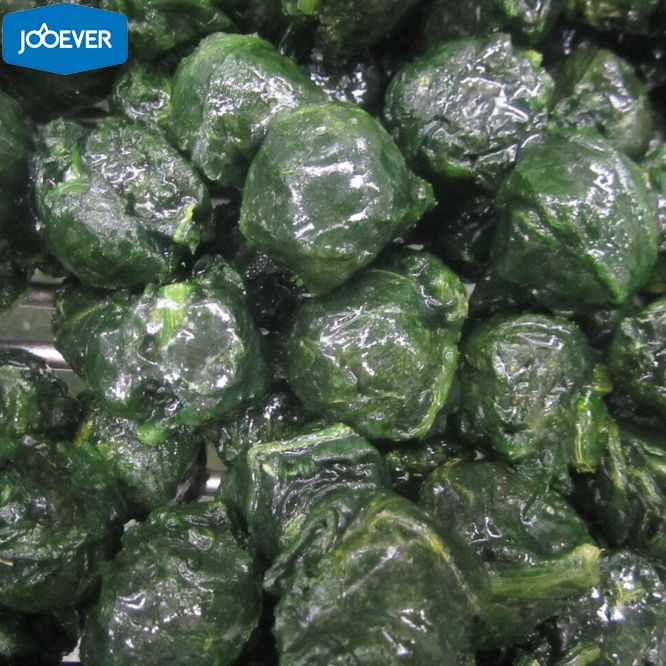
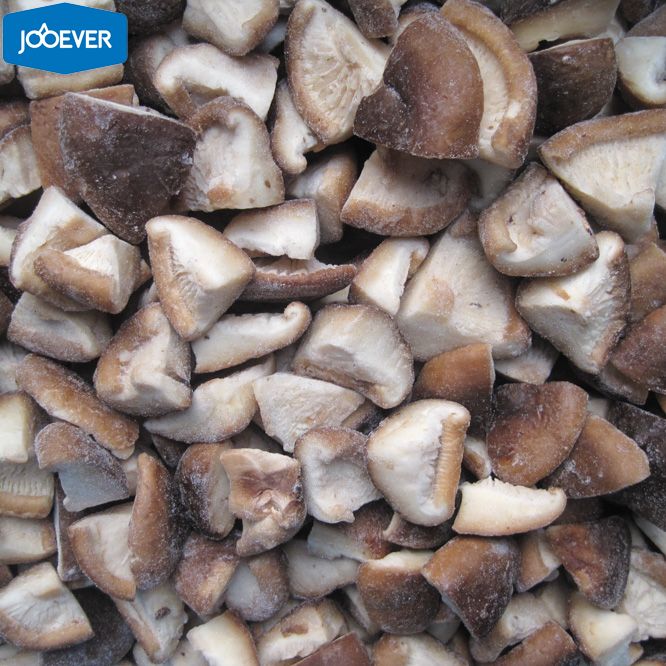
IQF is the standard for a vast range of fruits and vegetables. The technology is perfect for delicate produce where quality and appearance are paramount.
Free-Flowing: The characteristic of IQF products where each piece is separate and can be poured like a liquid. This is a key indicator of a properly executed IQF process.
Fluidized Bed: A type of IQF freezer where high-velocity cold air is blown up through a perforated belt, lifting and suspending the food items. This ensures even, rapid freezing and prevents clumping.
Blast Freezing: A general term for quick freezing, but not all blast freezing is IQF. IQF specifically refers to the individual freezing of pieces.
Drip Loss: The amount of liquid that is lost from a product when it is thawed. IQF products have significantly lower drip loss compared to block-frozen items, which is a sign of better quality.
IQF stands for Individual Quick Freezing. It is a method of freezing where each piece of food is frozen separately from all the others.
Regular or “block” freezing freezes food in a large, solid mass, which causes large ice crystals to form and damage the food's cell structure. IQF freezes each piece individually and very quickly, creating tiny ice crystals that preserve the food's quality, texture, and flavor.
Yes, the terms are often used interchangeably. “Flash freezing” describes the rapid nature of the process, while IQF specifies that the items are frozen individually.
On the contrary, IQF helps to preserve nutritional value. The rapid freezing process locks in vitamins, minerals, and antioxidants, preventing the nutrient degradation that can occur during slow freezing or long-term storage.
IQF products offer several key advantages for B2B operations: they allow for precise portion control, reduce waste, increase production line efficiency, and provide a superior, consistent quality product that your customers will appreciate.
To maintain quality and safety, IQF products must be stored at a constant temperature of -18°C (0°F) or below.
Yes, reputable suppliers will provide product samples. This allows you to evaluate the quality, size, color, and texture of the product to ensure it meets your specific requirements.
The required documents vary by destination country but generally include a commercial invoice, packing list, bill of lading, certificate of origin, phytosanitary certificate, health certificate, and pesticide residue test reports.



© Copyright XIAMEN JOOEVER CO.,LTD All rights reserved. Site Map Powered by jooever.com