

Your reliable partner for frozen foods


Time: 2026-06-18
When importing frozen vegetables and fruits, grading standards determine product quality, pricing, and end-use suitability. Unlike fresh produce, frozen products must maintain structural integrity through the IQF (Individually Quick Frozen) process, which introduces unique grading considerations.
This guide covers grading standards for frozen vegetables and fruits across all major categories, helping B2B buyers make informed sourcing decisions. Whether you are sourcing frozen broccoli florets for a food service chain or IQF mango dices for a juice manufacturer, understanding these standards ensures you receive the right product for your application.
Grading affects every stage of the frozen food supply chain. For importers and buyers, clear grading specifications help with:
Price negotiation: Larger or more uniform grades typically command premium pricing.
End-use matching: Diced vegetables for soup require different specs than whole florets for retail.
Quality consistency: Standardized grading ensures repeat orders match the first sample.
Regulatory compliance: Different countries have specific import grading requirements.
A 2024 industry survey found that 73% of frozen food importers consider inconsistent grading as their top supplier concern. Working with suppliers who follow transparent grading standards, like BRC and HACCP certified exporters, reduces this risk significantly.
Broccoli and cauliflower are among the most commonly imported frozen vegetables. Their grading primarily focuses on floret size and stalk length.
Common Frozen Broccoli Floret Grades:
20-40mm (Standard): Most common grade for food service and retail. Balanced floret-to-stalk ratio.
30-50mm (Jumbo): Larger florets preferred by upscale restaurants and steam-in-bag retail products.
40-60mm (Extra Large): Premium grade for specific food service applications.
Broccoli Cuts / Spears: Longer stalk pieces, typically 60-80mm, used in stir-fry blends.
Broccoli Chopped: Random cut pieces (10-20mm) for soups, sauces, and further processing.
Cauliflower Grades: Similar sizing applies, with an additional distinction between white cauliflower (most common) and green/orange varieties. Frozen cauliflower rice has become a popular alternative format in recent years.
Root vegetable grading focuses on cut uniformity. Since these vegetables are dense and maintain shape well through IQF, cut precision is the primary quality indicator.
Common Carrot Cuts:
Diced (6x6mm, 8x8mm, 10x10mm, 12x12mm): Most common for soups, frozen meal blends, and food service. Tolerance: ±2mm.
Sliced (2-4mm thickness): Round or oval slices for retail and side dish applications.
Julienne / Strips (3x3x30mm): For stir-fry blends and specialty applications. See frozen carrot julienne as a reference.
Carrot & Peas Blend: Specific ratio grading (e.g., 60% carrot dice + 40% peas by weight).
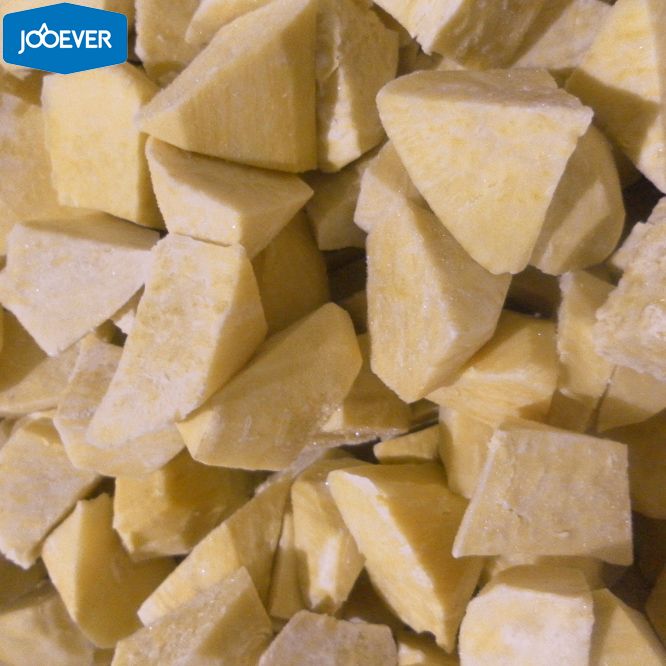
Sweet Potato Grades: Typically diced (10x10mm to 20x20mm) or chunky (20x20mm+). Sweet potato IQF requires pre-treatment to prevent discoloration — a key quality indicator.
Leafy green grading is distinct from other vegetables because leaf integrity and color retention are the primary concerns.
Frozen Spinach Grades:
Whole Leaf: Premium grade. Complete leaves with minimal breakage. Used in high-end retail and food service.
Cut Leaf: Standard grade. Leaves cut to approximately 10-20mm pieces. Most common for bulk and processing.
Chopped / Block: Finely chopped spinach, often block-frozen rather than IQF. Used in dips, soups, and manufacturing.
Green Onion Grades: Typically sliced to 3-10mm lengths. Color retention (white base + green top ratio) is a key specification. Uniform slice thickness ensures even thawing.
Legume grading is heavily based on size, maturity, and tenderness.
Frozen Green Peas:
Small (7-8mm): Sweetest and most tender. Preferred for premium retail and food service.
Medium (8-9mm): Standard industry grade. Good balance of sweetness and texture.
Large (9-10mm): More starchy, often used for processing and further manufacturing.
Frozen Edamame: Graded by pod count per 100g (e.g., 35-40 pods/100g for premium) or shelled size (12-14mm for large, 10-12mm for medium). Non-GMO certification is often a mandatory requirement alongside grading.
Frozen Green Beans: Graded by length (regular cut: 25-35mm, short cut: 15-25mm) and diameter (slim: 6-8mm, medium: 8-10mm, wide: 10mm+). Whole beans are premium; cuts and ends are lower grades.
Berry grading is the most quality-sensitive category because frozen berries are visually judged by end users. Whole berry integrity after IQF is the primary metric.
Frozen Strawberry Grades:
Whole (Grade A): ≥90% intact whole berries with minimal bruising. Premium for retail and smoothie blends. Frozen strawberry Monterey and Red Cheeks are common varieties.
Sliced (Longitudinal or Cross-cut): Uniform slice thickness (5-8mm). Used in bakery, yogurt toppings, and breakfast products.
Diced (8-12mm): For manufacturing, sauces, and jams. Less visually critical.
Chopped / Crushed: Value grade. For purees, syrups, and further processing.
Frozen Blueberry Grades: Sized by diameter (12-14mm, 14-16mm, 16mm+ premium). Wild blueberries (smaller, 6-10mm) are a separate premium category with distinct pricing. See IQF frozen blueberry specifications.
Frozen Raspberry Grades: Whole berry integrity is especially important as raspberries are delicate. Grade A requires ≥85% whole berries. Grade B allows more broken fruit. Color (deep red) and seed content are also evaluated.
Tropical fruit grading focuses on cut uniformity, ripeness consistency, and color.
Frozen Mango Grades:
Diced (10x10mm, 15x15mm, 20x20mm): Most common format. Uniform cube size is critical. Tolerance: ±2mm. See frozen mango dice and frozen mango halves.
Chunks (25x25mm+): For smoothie bowls and retail. Visual appeal is important.
Mango Puree / Pulp: Brix value (sugar content) grading. Typically 14-18 Brix for commercial use.
Mango Slices: For dried mango processing and specialty applications.
Mango variety affects grade. Ataulfo (honey) mangoes have different dice characteristics than Kent or Keitt varieties.
Frozen Pineapple Grades: Diced (10x10mm, 15x15mm), crushed, and tidbits (irregular cuts). Brix (12-16) and acidity levels are graded alongside visual specs.
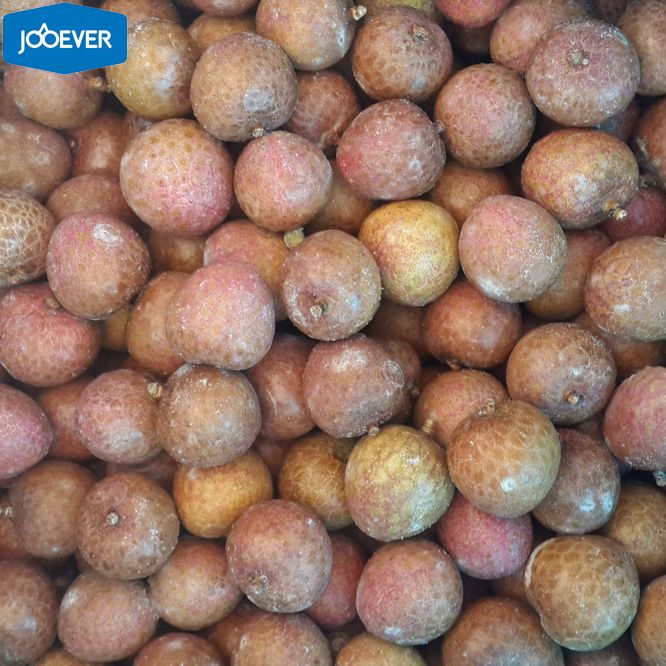
Frozen Lychee Grades: Peeled and pitted whole (premium), or sliced. Lychee requires careful IQF handling as the thin flesh is prone to damage. Color retention (white/translucent flesh) indicates quality.
Stone fruit grading emphasizes cut precision and color consistency.
Frozen Yellow Peach:
Halved: For baking and food service. Symmetry is graded. See frozen yellow peach halves.
Sliced: Uniform wedge cuts. See frozen yellow peach slices.
Diced (10x10mm, 15x15mm): For yogurt, ice cream, and bakery applications.
Frozen Apricot: Halved (pitted) or diced. Color retention (orange/yellow) is a critical grade indicator. Available as frozen apricot dice or halves.
Frozen grading differs from fresh grading in several important ways:
| Factor | Fresh Grading | Frozen (IQF) Grading |
|---|---|---|
| Appearance | Immediate visual appeal | Appearance after thawing |
| Texture | Crispness, firmness | Structural integrity after freeze-thaw |
| Size Tolerance | May vary within batch | Tighter tolerance required (±1-2mm) |
| Clumping | N/A | IQF quality: no clumping, free-flowing |
| Ice Crystals | N/A | Minimal ice crystal formation indicates proper IQF |
| Color | Fresh bloom | Color retention through blanching and freezing |
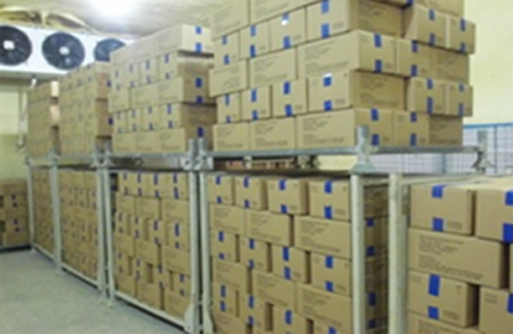
For B2B buyers, the most important distinction is that frozen grading must account for the entire supply chain — from processing through frozen storage and shipping. A product that looks perfect at the packing facility may arrive downgraded if the cold chain is not maintained.
Global frozen food trade involves multiple grading frameworks. Here is how the major standards compare:
The Codex standard for quick frozen vegetables (CXS 320-2015) provides the most widely referenced framework. Key requirements include:
Minimum 90% of the declared grade size within tolerance
No more than 5% defective product by weight
Maximum 10% clumping allowed in IQF products
Temperature maintained at -18°C throughout storage and transport
The USDA maintains specific grade standards for frozen vegetables (U.S. Grade A, B, and Substandard). Grade A (Fancy) requires the best color, uniformity, and minimal defects. Grade B (Extra Standard) allows slightly more variation.
Chinese frozen food exporters typically follow both domestic standards (GB/T standards) and international buyer specifications. Experienced exporters like Xiamen Jooever Co., Ltd supply frozen products to over 30 countries including the United States, Germany, Canada, Australia, the Netherlands, Saudi Arabia, Brazil, South Korea, and 26 other markets across Europe, the Americas, the Middle East, and Southeast Asia, meeting diverse international grading requirements.
To ensure your supplier maintains consistent grading, request the following:
Grade specification sheet for each product
Sieve analysis reports showing size distribution within each grade (e.g., for diced vegetables)
Defect rate records from the past 6 months of production
Third-party inspection reports (SGS, Bureau Veritas, or similar)
Photo documentation of each grade level for visual reference
Suppliers with BRC, HACCP, and ISO 9001 certification typically have more rigorous grading documentation processes. These certifications require regular internal audits of grading consistency.
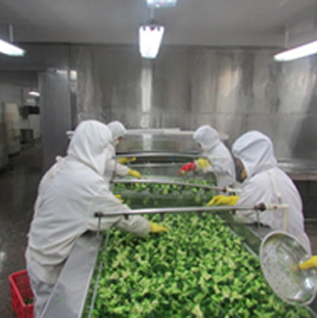
The most commonly imported frozen broccoli floret size is 20-40mm diameter (standard grade). Frozen broccoli cuts at 20-40mm are the most common. Jumbo grade (30-50mm) is also popular for food service and retail applications.
Frozen strawberries for industrial use are graded as whole (Grade A: ≥90% intact), sliced (uniform 5-8mm cuts), diced (8-12mm), or crushed. IQF frozen strawberry Monterey and Red Cheeks varieties are available for different applications.
For IQF frozen mango dices, grading specifies the dice size (typically 10x10mm, 15x15mm, or 20x20mm with ±1-2mm tolerance), ripeness level (Brix value), color consistency, and the percentage of free-flowing individual dices without clumping or ice crystals. See IQF frozen mango dice specs.
Yes. The EU follows Codex Alimentarius standards, the US uses USDA grade standards (Grade A/B/Substandard), and China follows GB/T standards. Many international buyers specify their own grading requirements in purchase contracts. A supplier exporting to 30+ countries, like Jooever, is experienced in meeting multiple international grading standards.
Yes, most frozen food suppliers offer custom grading. This typically requires a minimum order quantity (MOQ) of 1 x 20' reefer container (approximately 10MT). Custom grades may include specific size ranges, blend ratios for mixed products, or unique packaging specifications.
IQF grading must account for freeze-related quality factors that fresh grading does not, including clumping percentage, ice crystal formation, and structural integrity after thawing. Products that are more delicate (raspberries, sliced strawberries, mango dices) require more precise IQF temperature control to maintain grade quality.
Grade A (Fancy) requires uniform size, excellent color, minimal defects (<5%), and high whole-product integrity. Grade B (Extra Standard) allows slightly more size variation, color inconsistency, and higher defect tolerance (<10%). Grade B products are suitable for further processing where appearance is less critical.
Request: grade specification sheets per product, sieve analysis for size distribution, defect rate records from recent production, third-party inspection reports, and photo standards showing each grade level. BRC or HACCP-certified suppliers will have these available as part of their quality management system.
Understanding frozen vegetable and fruit grading standards is essential for successful B2B sourcing. Consistent grading directly impacts product performance in your application, pricing negotiations, and supply chain reliability.
When evaluating suppliers, prioritize those who:
Provide clear, written grade specifications for every product
Maintain certifications (BRC, HACCP, ISO 9001) with documented grading processes
Offer third-party inspection options for grade verification
Demonstrate consistent grading across seasonal crop variations
Have proven export experience to 30+ countries worldwide
The most reliable indicator of grading quality is transparency. A supplier who shares detailed grade specifications, inspection records, and quality control documentation is more likely to deliver consistent results.



© Copyright XIAMEN JOOEVER CO.,LTD All rights reserved. Site Map Powered by jooever.com