

Your reliable partner for frozen foods


Time: 2026-07-01
Frozen strawberries are one of the highest-volume frozen fruit products in international trade. Their versatility across smoothies, bakery applications, yogurt toppings, jams, and sauces makes them a staple product for importers serving multiple end-use markets.
Unlike some frozen fruits, strawberries present unique grading challenges due to their delicate structure, high moisture content, and variety-specific characteristics. Understanding these grading nuances is essential for sourcing the right product at the right price.
This guide covers frozen strawberry grades, IQF quality indicators, variety differences, and practical sourcing considerations for B2B buyers.
Strawberries are typically graded by cut type, size uniformity, and whole fruit integrity. Each grade serves different end-use applications.
| Grade | Description | Typical Applications | Price Level |
|---|---|---|---|
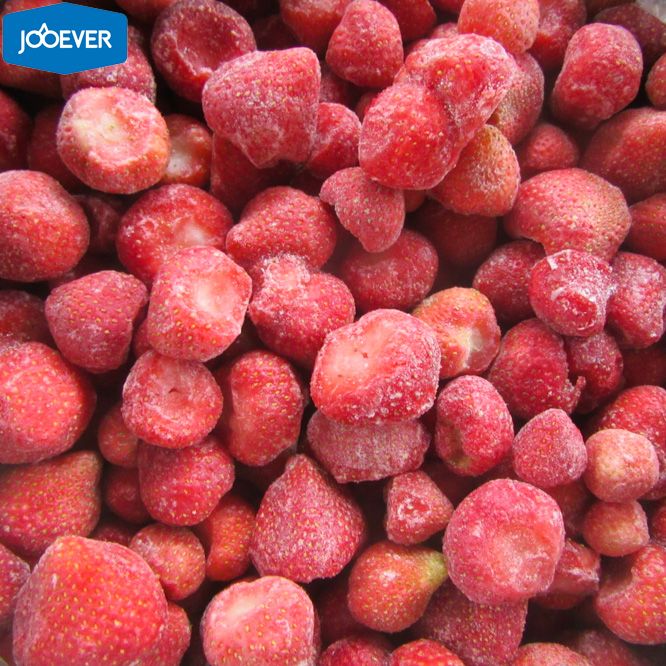
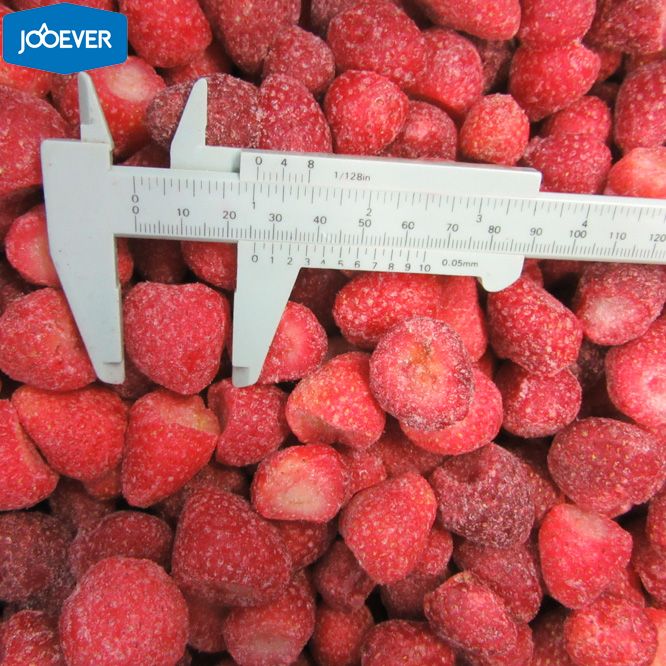
| Whole (Grade A) | ≥90% intact whole berries, minimal bruising, uniform red color | Premium retail, smoothie blends, yogurt toppings | Highest |
| Whole (Grade B) | 70-89% intact whole berries, some bruising or irregular shape | Food service, manufacturing, value retail | Medium |
| Sliced | Longitudinal or cross-cut slices, uniform 5-8mm thickness | Bakery toppings, yogurt, cereal, breakfast products | Medium-High |
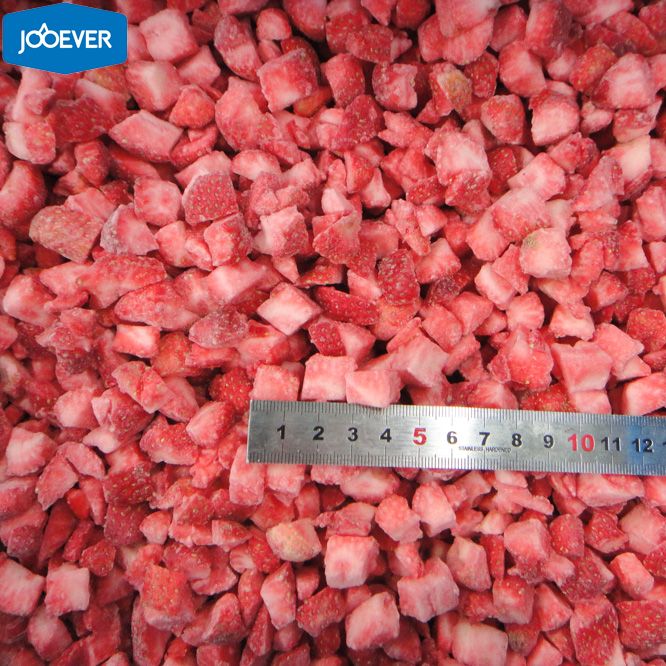
| Diced | 8-12mm cube pieces | Sauces, jams, ice cream, further processing | Medium |
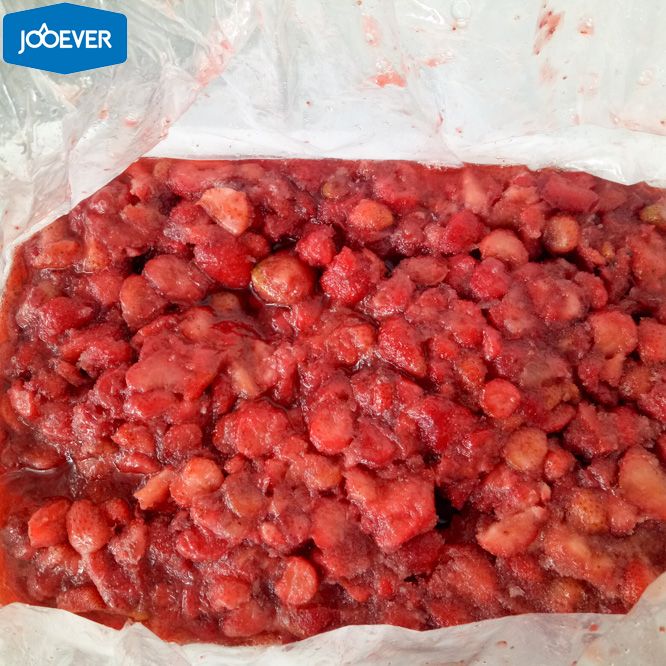
| Chopped / Crushed | Irregular small pieces | Purees, syrups, manufacturing, value processing | Lower |
Whole Grade A strawberries command the highest prices and are most sensitive to supplier quality control. Many importers use sliced or diced grades for price-sensitive applications while reserving whole fruit for premium channels.
Premium frozen strawberries should have a uniform, bright red color. Pale or pink coloration typically indicates early harvesting or variety characteristics. Browning at the calyx end (where the stem attaches) suggests improper freezing or age-related degradation.
For whole grades, the percentage of intact berries after IQF freezing is the primary quality metric. Grade A requires at least 90% whole, intact berries. Broken berries, caps, and pieces are downgraded. The IQF freezing process must be carefully controlled to prevent cell wall rupture during ice crystal formation.
Brix measures soluble solids content and correlates with sweetness. Typical frozen strawberry Brix values range from 6-10, with premium grades at 8+. Higher Brix values generally indicate better flavor and are preferred by food manufacturers.
Industry standards typically allow 3-5% defects by weight for Grade A, including cap material, bruising, insect damage, or mold. Grade B allows 5-8% defects. Premium buyers may specify tighter tolerances.
Properly IQF frozen strawberries should be free-flowing individual berries without clumping. Syrup formation (exudate) in the package indicates temperature abuse or poor freezing. For whole berries, individual quick freezing at -30°C to -40°C is critical to preserve fruit structure and minimize drip loss upon thawing.
Different strawberry varieties have distinct characteristics that affect frozen product quality. Common varieties available from China include:
Monterey strawberries are known for their conical shape, bright red color, and firm flesh, making them well-suited for IQF whole freezing. They maintain their shape well through the freeze-thaw cycle. IQF frozen strawberry Monterey is a popular choice for premium applications.

Red Cheeks strawberries have a slightly softer texture and deeper red color. They are often preferred for sliced and diced applications where their intense color enhances visual appeal. Frozen strawberry Red Cheeks offer excellent value for processing applications.
When sourcing, specify the desired variety alongside grade requirements. Some buyers prefer specific varieties for their unique characteristics.
Strawberry processing requires careful handling due to the fruit's delicate nature:
Harvest: Strawberries are hand-picked at optimal ripeness and transported to the processing facility within 4-6 hours
Sorting and grading: Berries are sorted by size, color, and defect level. Caps (calyx) are removed
Washing: Gentle washing removes field debris without damaging the fruit surface
Cutting (if required): Berries are sliced or diced according to customer specifications
IQF freezing: Individual berries or pieces are frozen at -30°C to -40°C on a fluidized bed freezer or tunnel freezer
Metal detection and check weighing: Every batch passes through quality verification
Packaging: Products are packed in bulk (10kg, 20kg cartons) or retail packaging and stored at -18°C or below
Suppliers with BRC and HACCP certification follow documented procedures at each processing stage, reducing quality variation.
| Application | Recommended Grade | Key Considerations |
|---|---|---|
| Smoothie blends | Whole Grade A or Sliced | Visual appeal important. Whole berries preferred for premium blends. |
| Yogurt / ice cream | Sliced or Diced | Uniform piece size ensures even distribution. Syrup retention matters. |
| Bakery (pies, tarts) | Sliced or Diced | Fruit should hold shape during baking. Lower drip loss preferred. |
| Jam manufacturing | Diced or Chopped | Cost-effective. Texture breaks down during cooking anyway. |
| Retail (frozen fruit bags) | Whole Grade A | Visual presentation drives purchase decisions. |
| Baby food / puree | Chopped or manufacturing grade | Further processed. Price efficiency is priority. |
Chinese frozen strawberries are available year-round from multiple growing regions:
Primary harvest: January-May (main season)
Secondary harvest: October-December (limited supply)
Lead time: 15-18 days after order confirmation
MOQ: 1 x 20' reefer container (approximately 10MT for whole, varies for sliced/diced)
Shelf life: 24 months when stored at -18°C or below
For general frozen fruit grading standards applicable across all fruit categories, see our comprehensive grading guide.
Reputable frozen strawberry suppliers maintain strict microbiological standards:
Total Plate Count: <100,000 cfu/g
Coliforms: <100 cfu/g
E. coli: <10 cfu/g
Yeast & Mould: <1,000 cfu/g
Listeria: Absent in 25g
Salmonella: Absent in 25g
Pesticide residues: Compliant with EU, US FDA, or target market regulations
Strawberries are among the most pesticide-sensitive fruits. Request residue testing documentation for your target market. Certified suppliers provide complete documentation for regulatory compliance.
Grade A (Fancy) requires at least 90% whole, intact berries with uniform red color, minimal bruising, and less than 3% defects. Grade B (Standard) requires 70-89% whole berries, allows more color variation and bruising, and permits up to 5-8% defects. Grade B is suitable for processing applications where appearance is less critical.
IQF (Individually Quick Frozen) strawberries are generally preferred for most commercial applications because they are free-flowing, can be portioned easily, and maintain better individual fruit integrity. Block-frozen strawberries are typically used only for further processing where individual fruit separation is not needed.
Firm-fleshed varieties with good color retention are best for freezing. Monterey is a popular choice for whole frozen berries due to its firm texture and shape retention. Red Cheeks offers deeper color for sliced applications. The choice depends on your specific end use.
Signs of proper storage include: free-flowing individual berries without clumping in the package, minimal ice crystals or frost, no syrup or exudate at the bottom of the package, and berries that maintain their shape when thawed. Temperature records from shipping should show consistent -18°C or below.
Yes, many suppliers can accommodate Brix specifications for volume orders. Typical frozen strawberry Brix ranges from 6-10. Higher Brix (8+) strawberries command premium pricing. Brix is influenced by variety, harvest timing, and growing conditions.
For US import, the FDA requires HACCP-based food safety compliance and facility registration. Kosher certification is valuable for retail channels. For European markets, BRC certification is expected by major retailers. See our frozen food certification guide for market-specific requirements.
Properly IQF frozen strawberries retain most of their nutritional value. In many cases, frozen strawberries have comparable or higher vitamin C content than fresh strawberries that have been stored for several days, because they are frozen shortly after harvest when nutrient levels peak.
Frozen strawberries offer strong demand across multiple market segments, making them an attractive product for importers. Success depends on matching grade and variety to the specific application — premium whole berries for retail and smoothie markets, sliced for bakery and yogurt applications, and diced or chopped for further processing.
When sourcing frozen strawberries, prioritize suppliers who can provide variety-specific grade specifications, consistent IQF quality, and complete documentation for your target market. For more on evaluating suppliers generally, see our supplier selection guide.
Browse our frozen fruit selection or contact our team for current strawberry availability and pricing.



© Copyright XIAMEN JOOEVER CO.,LTD All rights reserved. Site Map Powered by jooever.com