

Your reliable partner for frozen foods


Time: 2025-12-15
Lotus root has long been valued in Asian cuisine, but today it is becoming increasingly popular in global markets. As people seek healthier and more natural food choices, lotus root stands out not only for its pleasant crunch and mild flavor but also for its impressive nutritional benefits. To make things even more convenient, frozen lotus root has become a preferred choice for many homes and businesses. In the following sections, we will explore the key health benefits of eating lotus root and explain why frozen lotus root is an easy and reliable way to enjoy this nutritious vegetable year-round.
To begin with, lotus root offers a surprisingly rich nutrition profile. It contains dietary fiber, vitamin C, vitamin B6, potassium, iron, magnesium, and antioxidants that support overall health. These nutrients help the body maintain daily functions while supporting long-term wellness. Additionally, lotus root provides complex carbohydrates that supply steady energy throughout the day.
At the same time, frozen lotus root maintains most of these nutrients thanks to modern quick-freeze technology. This method locks in freshness and quality, giving consumers a stable, nutrient-rich option even when fresh lotus root is not in season.
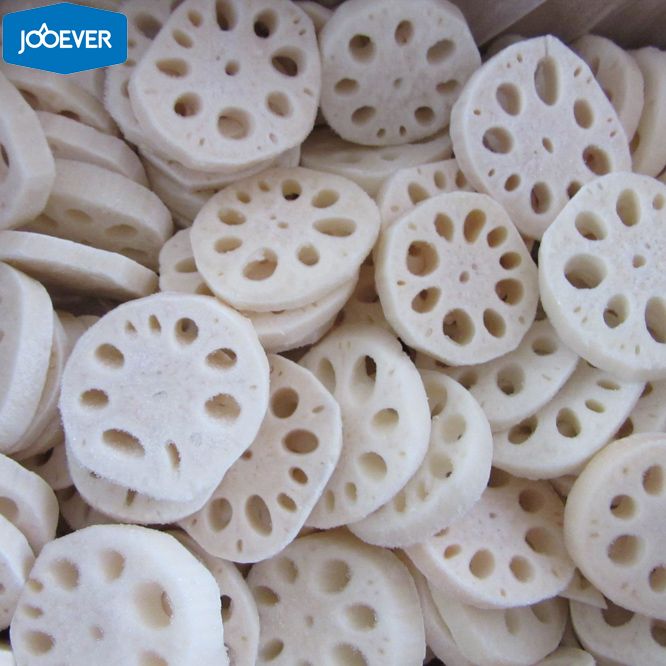
Moving deeper into its benefits, lotus root is particularly known for its high fiber content. Fiber plays an important role in keeping the digestive system working smoothly. It helps promote regular bowel movements, supports gut health, and reduces the risk of common digestive problems such as constipation.
Since frozen lotus root keeps its natural fiber structure intact, it remains a great choice for anyone who wants to add more fiber-rich vegetables to their daily meals. It can be cooked quickly without losing texture, making it convenient for busy individuals.
In addition to digestive support, lotus root is also an excellent source of vitamin C. This essential antioxidant helps protect the body from oxidative stress while supporting immune system function. Vitamin C is also needed for healthy skin and collagen production.
Frozen lotus root is processed at peak freshness, helping preserve vitamin C and ensuring that consumers can still enjoy these immune-supporting benefits even when fresh lotus root is unavailable.
Another important benefit of lotus root is its support for heart health. Its natural potassium content helps maintain balanced blood pressure levels, while its dietary fiber supports overall cardiovascular wellness by helping manage cholesterol levels. These features make lotus root a smart addition to meals for people who want to protect their heart health through their daily diet.
Frozen lotus root gives consumers and foodservice providers a consistent supply, making it easier to include heart-friendly vegetables in everyday cooking.
Lotus root also plays a role in supporting healthy blood circulation. It contains both iron and copper, two essential minerals that help the body form red blood cells. Adequate blood cell production contributes to better oxygen transport, improved energy levels, and overall vitality.
Thanks to its stable mineral content, frozen lotus root remains a reliable source of iron and copper, providing a convenient way to support the body’s natural functions.
Furthermore, lotus root is rich in beneficial antioxidants. Vitamin C, polyphenols, and other plant compounds help protect cells from harmful free radicals. These antioxidants are linked to healthy skin, reduced inflammation, and better long-term health.
Because frozen lotus root is processed shortly after harvest, it retains these natural antioxidants without the use of preservatives.
Besides its health benefits, frozen lotus root offers exceptional convenience. It is pre-washed, peeled, and sliced, reducing preparation time in the kitchen. The quick-freeze method maintains its crisp texture and natural flavor, making it suitable for stir-fries, soups, stews, and braised dishes.
For restaurants, manufacturers, and households, frozen lotus root helps reduce waste, extend shelf life, and provide consistent quality throughout the year. This makes it an ideal choice for anyone seeking a reliable frozen vegetable that is easy to use and store.
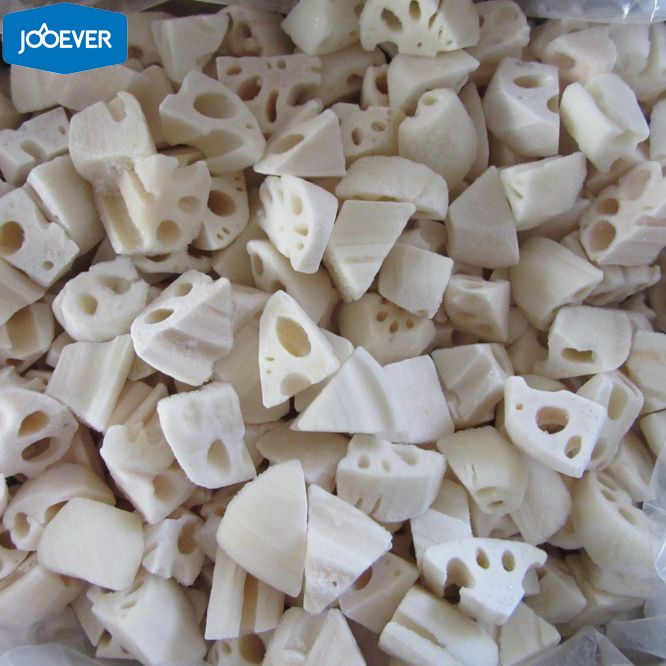
Finally, another major advantage of lotus root is its versatility. Fresh or frozen, it can be used in many cooking methods, including steaming, boiling, stir-frying, braising, or deep-frying. Its neutral flavor pairs well with vegetables, meat, and plant-based proteins.
Frozen lotus root especially makes meal preparation faster, providing a healthy ingredient that can be added directly from the freezer to the pan or pot. This ease of use helps more people incorporate nutrient-rich vegetables into their everyday diet.
In summary, lotus root is a nutrient-dense, versatile, and delicious vegetable that offers many health benefits—from improved digestion and better immune support to enhanced heart health and steady energy. With the availability of frozen lotus root, enjoying these benefits is now easier and more convenient than ever.
If you are looking for a reliable frozen vegetable supplier, Jooever provides high-quality frozen lotus root and a wide range of frozen vegetables to support your business needs. Contact Jooever today to explore premium frozen food solutions designed for safety, freshness, and global distribution.



© Copyright XIAMEN JOOEVER CO.,LTD All rights reserved. Site Map Powered by jooever.com