

Your reliable partner for frozen foods


Time: 2026-02-20
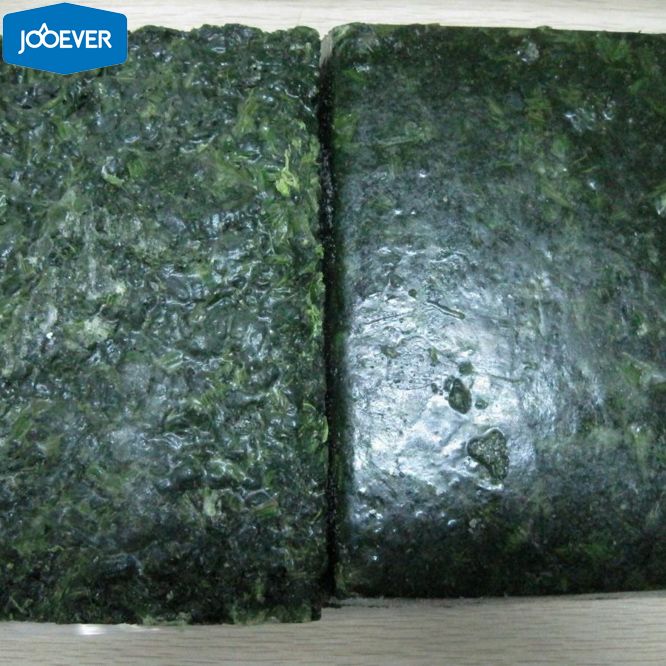
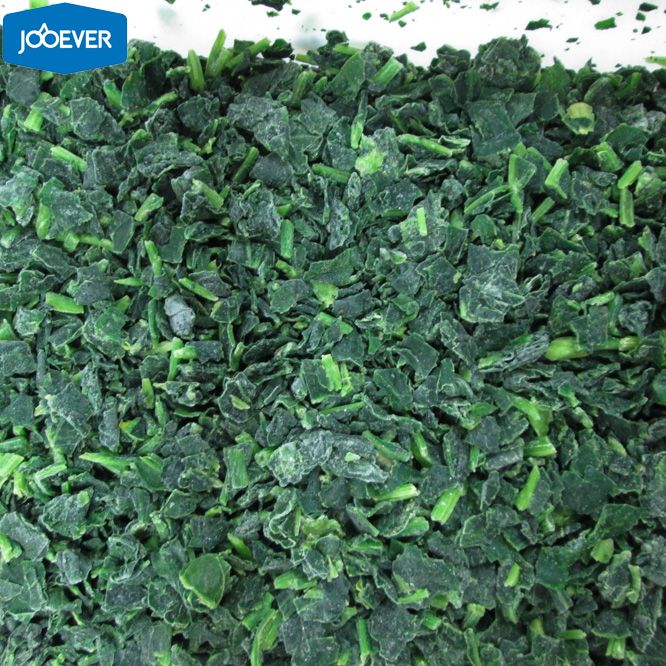
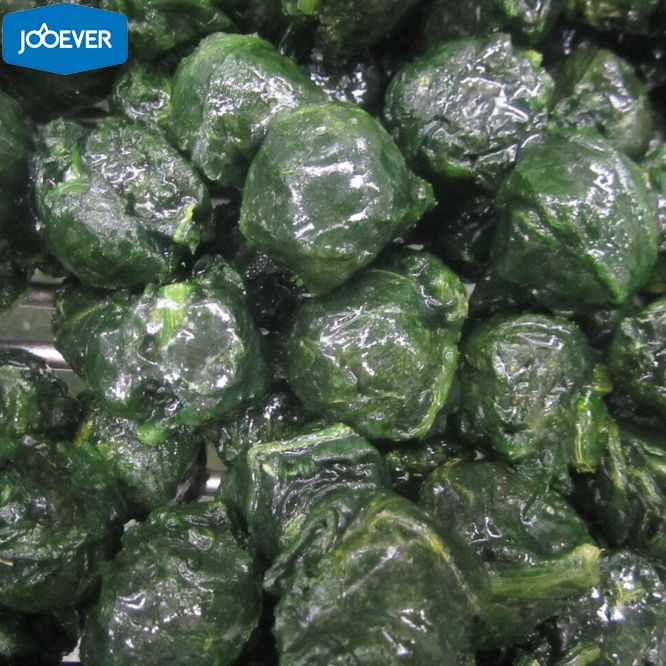
Spinach is one of the most nutrient-dense leafy greens available, packed with vitamins, minerals, and antioxidants. While fresh spinach is widely celebrated, frozen spinach has become increasingly popular due to its convenience, long shelf life, and ability to preserve nutrients. Whether you are a home cook or a food service professional, incorporating frozen spinach into your meals is a practical way to boost nutrition while saving time in the kitchen.
Frozen spinach retains most of the nutritional value of fresh spinach, making it an excellent source of vitamins and minerals. Just 100 grams of frozen spinach contains approximately 23 calories, 3 grams of protein, 3.6 grams of carbohydrates, and almost no fat. It is exceptionally high in vitamin K, providing over 400% of the daily recommended intake, along with significant amounts of vitamin A, vitamin C, folate, manganese, and magnesium. Additionally, frozen spinach contains iron, vitamin E, copper, and potassium, all of which contribute to overall health. This impressive nutrient profile makes frozen spinach a low-calorie, high-value addition to any diet.
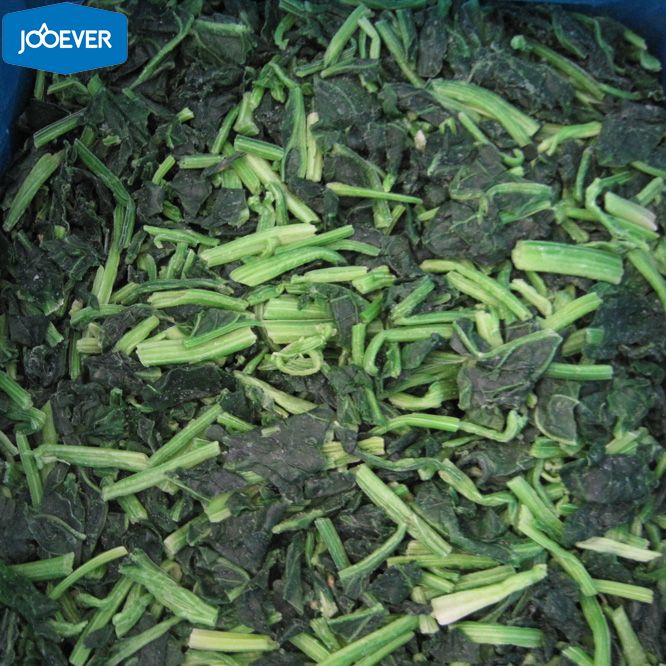
Frozen spinach is low in calories but high in essential nutrients, making it ideal for weight management and healthy eating. It provides protein and fiber, which help promote fullness while maintaining a balanced diet. Whether added to a smoothie, soup, or stir-fry, frozen spinach enhances meals without adding unnecessary calories.
Spinach is rich in antioxidants, including beta-carotene, lutein, and alpha-lipoic acid. These compounds help protect the body against free radicals, which can damage cells and contribute to chronic conditions such as cancer, diabetes, and neurodegenerative diseases. Incorporating frozen spinach into your meals is a simple way to support your body’s defense mechanisms.
Frozen spinach can aid cardiovascular health through multiple mechanisms. Its high potassium and magnesium content helps relax blood vessels and manage blood pressure. Folate and nitrates in spinach further contribute to vascular health by promoting the production of nitric oxide, a molecule that supports blood vessel dilation and overall heart function.
Regular consumption of spinach may support brain health. Antioxidants, folate, and vitamin K help protect brain cells and may reduce age-related memory decline. Adding frozen spinach to your diet daily, whether in soups, stews, or salads, can help maintain cognitive function over time.
Frozen spinach contains both soluble and insoluble fiber, which aids digestion by adding bulk to stool and supporting regular bowel movements. This fiber also helps maintain a feeling of fullness, which can be beneficial for weight control and digestive wellness.
Spinach is a rich source of non-heme iron, essential for the production of hemoglobin, the protein in red blood cells that carries oxygen throughout the body. Combining frozen spinach with foods rich in vitamin C, such as citrus fruits or tomatoes, can enhance iron absorption, making it an excellent choice for vegetarians and vegans seeking to prevent iron-deficiency anemia.
Lutein and zeaxanthin in spinach are carotenoids that support eye health by protecting the retina from oxidative damage. Regular intake of frozen spinach may help reduce the risk of age-related eye conditions such as cataracts and macular degeneration.

Frozen spinach offers significant practical benefits beyond nutrition. It is convenient, pre-washed, and ready to use, eliminating the need for time-consuming prep work. It also has a long shelf life, which reduces food waste and ensures a steady supply of high-quality leafy greens year-round. Additionally, frozen spinach maintains consistent quality and nutrient content, making it reliable for both home cooks and food service businesses.
Frozen spinach is versatile in the kitchen. It can be added directly to soups, stews, pasta, omelets, casseroles, and smoothies. Quick sautéing, roasting, or steaming can preserve its vibrant color, flavor, and nutrients, allowing it to complement a wide range of dishes.
Frozen spinach is a convenient, nutritious, and versatile food that supports heart health, brain function, digestion, blood health, and eye health. Its low calorie content, combined with high levels of vitamins, minerals, and antioxidants, makes it a practical choice for maintaining a balanced diet. With its long shelf life and ease of use, frozen spinach is an excellent addition to any kitchen.
For businesses and home cooks looking for a reliable source of frozen leafy greens, Jooever is a trusted frozen vegetable supplier, offering high-quality frozen spinach and other vegetables that deliver consistent nutrition and convenience year-round.



© Copyright XIAMEN JOOEVER CO.,LTD All rights reserved. Site Map Powered by jooever.com