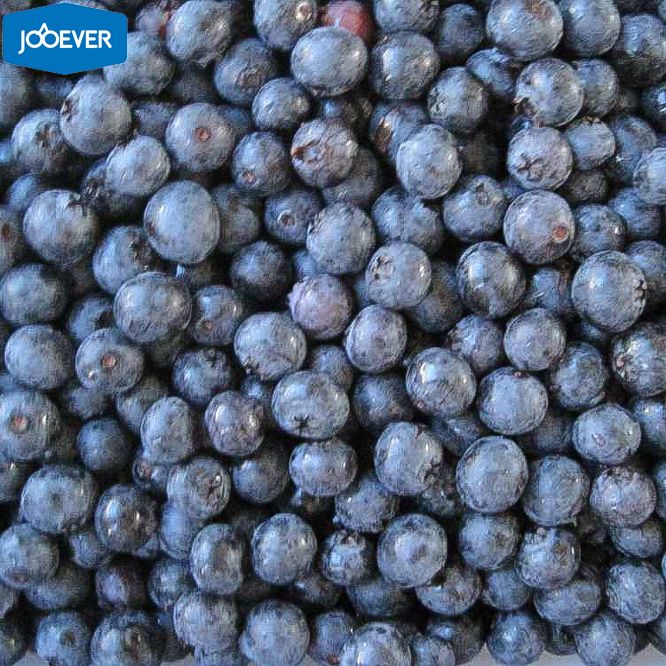


Your reliable partner for frozen foods


Time: 2026-04-07
In recent years, more consumers and food businesses have started to choose frozen fruit as part of their daily diet and product sourcing. Among all options, blueberries stand out because of their rich nutrition and strong antioxidant content. At the same time, frozen blueberries have become increasingly popular due to their convenience, stable quality, and year-round availability. This article explores the benefits of eating frozen blueberries, focusing on their nutritional value, health advantages, and practical use in modern lifestyles.
To understand the quality of frozen fruit, it is important to look at the freezing process. Most premium products use IQF technology, which stands for Individual Quick Freezing. This method freezes blueberries at very low temperatures in a short time, helping to preserve their natural texture, color, and nutrients.
Unlike traditional freezing, IQF keeps each berry separate, so they do not stick together. As a result, IQF frozen blueberries are easy to portion and use in both home kitchens and food production. This process also supports consistent quality, which is especially important for businesses looking for reliable ingredients.
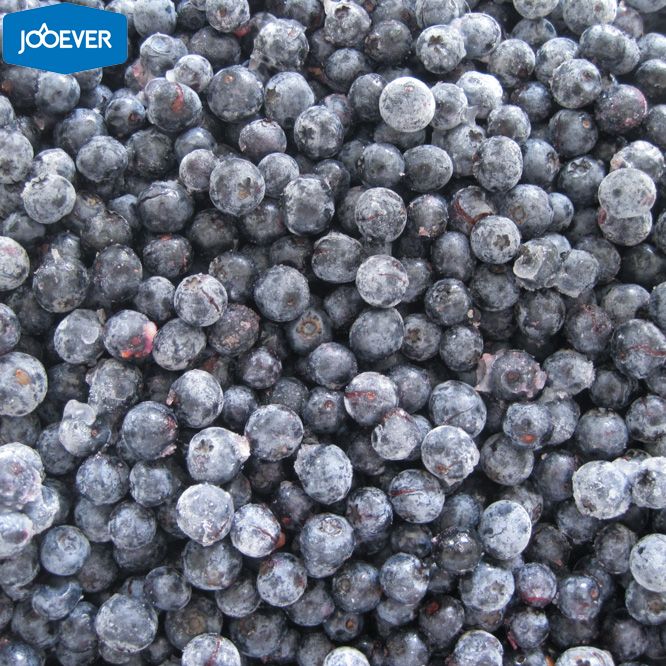
When it comes to nutrition, blueberries are considered a high-value fruit. Even after freezing, they retain most of their original nutrients. Frozen blueberries are low in calories and contain a high amount of water, making them a light yet satisfying option.
In addition, they provide dietary fiber, vitamin C, and vitamin K. Fiber supports digestion, while vitamin C contributes to immune function. Because the freezing process locks in nutrients shortly after harvest, frozen blueberry nutrition remains comparable to fresh fruit when handled properly.
Another important benefit of frozen blueberries is their high antioxidant content. Blueberries are known for containing anthocyanins, the compounds responsible for their deep blue color. These antioxidants help protect cells from damage caused by free radicals.
Over time, oxidative stress can affect overall health. Therefore, including antioxidant-rich foods like blueberries in a balanced diet may help support long-term wellness. Frozen blueberries make it easier to include these compounds regularly without worrying about spoilage.
In addition to antioxidant protection, blueberries are often associated with heart health. The natural compounds found in blueberries, including flavonoids, may help support healthy blood vessel function.
At the same time, their potassium content plays a role in maintaining normal blood pressure levels. While more research is still ongoing, many nutrition experts include blueberries as part of a heart-friendly diet. Choosing frozen fruit ensures that these benefits are available throughout the year.
As we continue to explore the benefits, blueberries are also linked to brain health. Antioxidants may help reduce oxidative stress in the brain, which is connected to aging-related changes.
Some studies suggest that regular consumption of blueberries may support memory and cognitive function. Although results may vary, including blueberries as part of a balanced diet can contribute to overall brain health. Frozen blueberries offer a simple way to maintain consistent intake.
Another aspect to consider is blood sugar balance. Blueberries contain natural sugars, but they also have fiber and beneficial plant compounds. These components may help moderate how the body processes sugar.
In particular, anthocyanins have been studied for their potential role in improving insulin sensitivity. Because of this, blueberries can be included in a balanced diet when consumed in appropriate portions.
Beyond general health, frozen blueberries may also be useful for active individuals. Physical exercise can lead to temporary muscle stress and inflammation. Antioxidants found in blueberries may help reduce this effect.
Including blueberries in post-workout meals or smoothies can support recovery and help maintain performance over time. Their convenience makes frozen options especially practical for regular use.
While fresh blueberries are popular, frozen blueberries offer several practical advantages. First, they have a longer shelf life, reducing food waste in both households and commercial kitchens.
Second, they are available year-round, regardless of seasonal limitations. This is particularly important for food manufacturers and restaurants that require stable supply.
Finally, IQF processing ensures consistent size, flavor, and quality. For businesses looking for reliable sourcing, working with a professional frozen fruits supplier can help maintain product standards.
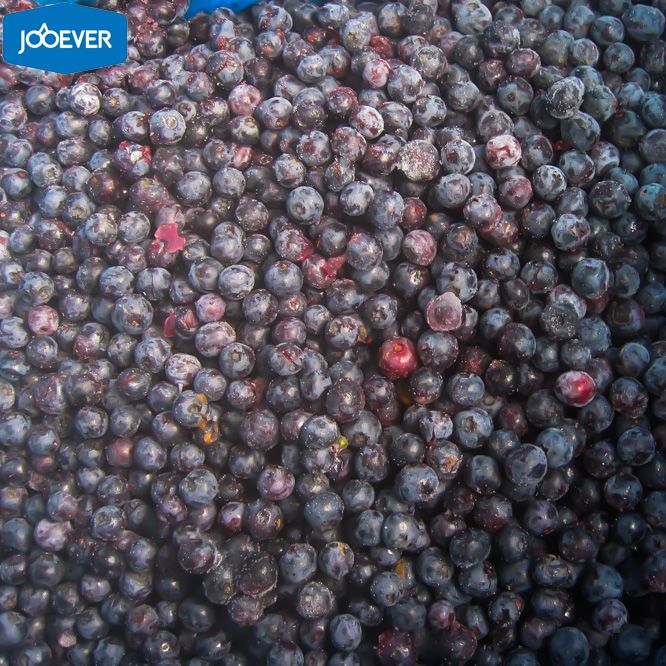
Another reason frozen blueberries are widely used is their versatility. They can be added directly to smoothies without thawing, making them a convenient choice for quick meals.
They are also suitable for baking, such as muffins, cakes, and desserts. In addition, frozen blueberries can be used in yogurt, oatmeal, or fruit sauces. Because they are pre-cleaned and ready to use, they save preparation time while maintaining consistent results.
In summary, frozen blueberries offer a combination of nutrition, convenience, and versatility. They are rich in antioxidants, provide essential vitamins, and may support heart, brain, and overall health. At the same time, their long shelf life and ease of use make them suitable for both home consumers and food businesses.
If you are looking for a reliable frozen fruits supplier, Jooever provides high-quality frozen blueberries and a wide range of frozen fruit products. With professional processing, stable supply, and strict quality control, Jooever helps you deliver nutritious and convenient solutions to your customers worldwide.



© Copyright XIAMEN JOOEVER CO.,LTD All rights reserved. Site Map Powered by jooever.com