Introduzione
Choosing the right frozen food supplier is one of the most critical decisions for importers, distributors, and food service buyers. The wrong choice can lead to inconsistent quality, customs delays, supply chain disruptions, and lost customers.
Unlike commodity sourcing, frozen food procurement involves unique considerations — from IQF processing quality to cold chain logistics, international certifications, and regulatory compliance across multiple markets. This guide walks through the key factors to evaluate when selecting a frozen vegetable, fruit, or mushroom supplier.
Fase 1: verificare le certificazioni e la conformità
Certifications are the most reliable first indicator of a supplier's capability. They demonstrate that a supplier follows documented, audited processes for food safety and quality management.
Essential certifications to look for:
HACCP: Minimum requirement for most importing countries. Covers hazard analysis and critical control points in production.
BRC Global Standard for Food Safety: Gold standard for suppliers targeting European retailers and food service chains.
BRC Global Standard for Agents and Brokers: Indicates the supplier manages trading and supply chain activities professionally.
ISO9001: Shows robust quality management systems beyond just food safety.
Kosher (OU) and Halal: Opens access to specific market segments and signals additional quality oversight.
Always verify that certifications are current by checking issue dates and certification body accreditation. Certified suppliers with multiple credentials offer broader market access and reduced risk. For a detailed breakdown of what each certification means, see our guide to frozen food export certifications.
Step 2: Evaluate Processing Capability & Quality Control
The quality of frozen food depends heavily on processing technology. Key factors to evaluate:
IQF (Individually Quick Frozen) Quality
Proper IQF freezing preserves product texture, color, and nutritional value. A good IQF process ensures individual pieces remain separate (free-flowing) without clumping or excessive ice crystals. The ideal IQF freezing temperature is -30°C to -40°C, with blanching as a critical pre-treatment step for vegetables. Learn more about how IQF technology preserves quality.
Punti di controllo del controllo qualità
A reliable supplier maintains documented quality checks at every stage:
Ispezione delle materie prime: Sourcing from verified farms with pesticide residue testing
Processing control: Blanching temperature and duration, IQF freezing parameters
Rilevazione di metalli: Every product batch passes through metal detection equipment
Check weighing: Weight verification to ensure package accuracy
Defect level monitoring: Visual inspection for physical defects and foreign material
Test microbiologici: Regular testing for total plate count, coliforms, E. coli, yeast, mold, Listeria, and Salmonella
Monitoraggio della temperatura: Continuous cold chain tracking from processing to loading
Valutazione coerente
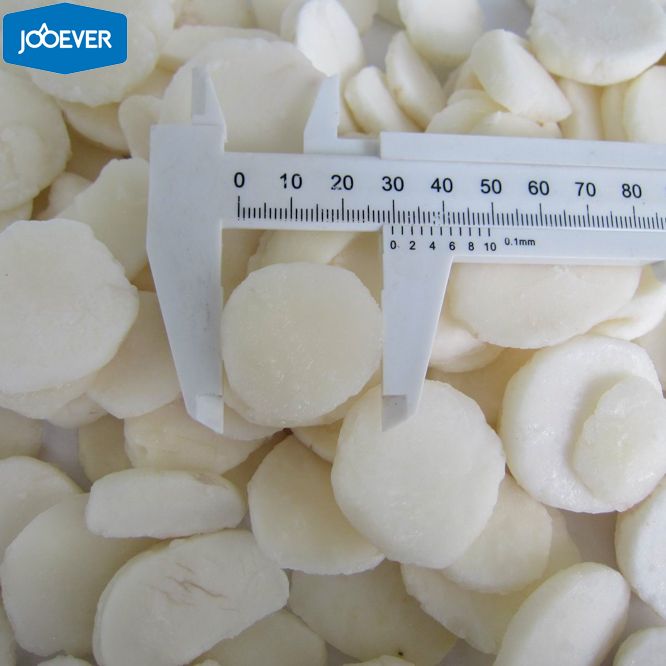
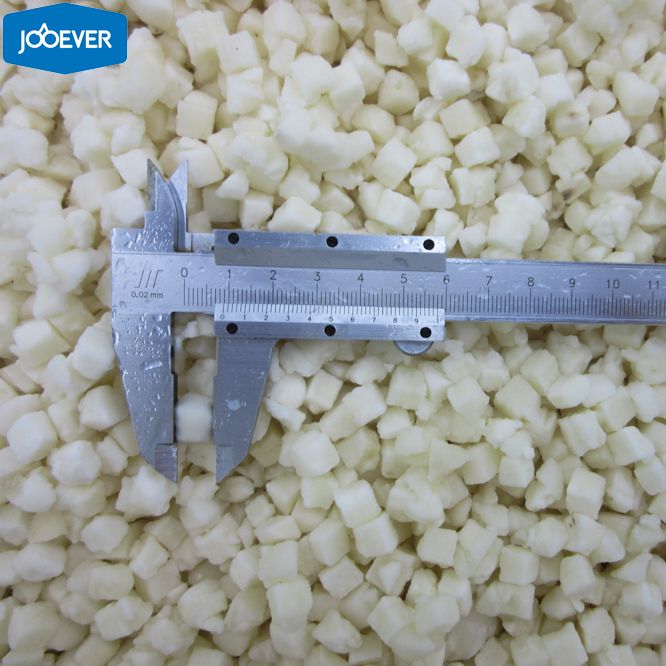
Product grading consistency ensures repeat orders match the first sample. Evaluate whether the supplier maintains clear grading standards for size, cut uniformity, and appearance for each product. Ask for grade specification sheets and sieve analysis reports.
Step 3: Assess MOQ, Lead Time & Shipping Logistics
Practical logistics capabilities determine whether a supplier can meet your volume and timeline requirements.
Quantità minime d'ordine
Standard MOQ for frozen food containers:
1 x 20' reefer container: Approximately 10MT (most common for first orders)
1 x 40' reefer container: Approximately 26MT (for established volume orders)
LCL (meno del carico del container): Available from some suppliers for sample or trial orders
Aspettative di tempo di consegna
Industry-standard lead times for frozen food orders typically range from 14-20 days after order confirmation. This includes processing time (7-10 days) and logistics coordination. Suppliers with monthly output capacity of 1000MT+ can typically handle volume orders more flexibly.
Considerazioni sulla spedizione
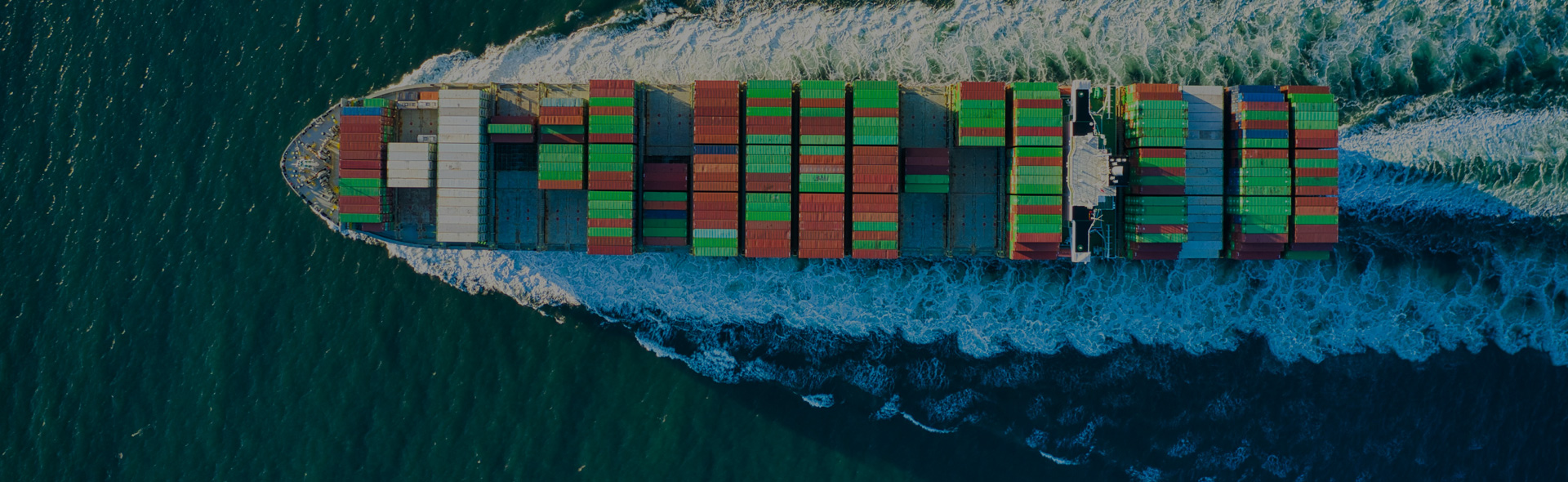
Vicinanza al porto: Suppliers located near major international ports reduce inland logistics costs. Xiamen port, for example, offers extensive reefer container capacity and frequent sailings to North America, Europe, and Asia.
Tipi di contenitori: Reefer containers maintain -18°C or below throughout transit. Verify the supplier's container loading procedures and temperature logging.
Shipping documentation: Ensure the supplier can provide complete export documentation including certificate of origin, phytosanitary certificate, bill of lading, and packing list.
Step 4: Check Product Range & Customization Capability
Suppliers with a broad product range offer several advantages:
Risparmi da consolidamento: Fewer suppliers to manage, lower administrative costs
Consistent quality across products: Same processing standards apply to all items
Mixed container capability: Combine multiple products in one container to optimize shipping costs
Miscele personalizzate: Ability to create custom formulations (e.g., specific mixed vegetable ratios, custom dice sizes)
For example, a supplier offering 60+ products across verdure surgelate, fruits, mushrooms, and fresh items can serve as a single-source partner for diverse procurement needs.
Step 5: Evaluate Communication & Responsiveness
B2B frozen food procurement involves ongoing coordination — from sample requests and specification adjustments to shipping updates and documentation. Supplier responsiveness is a practical indicator of service quality:
Inquiry response time: Leading suppliers respond within 2-4 hours during business hours
Politica di esempio: Understand the sampling process and whether they offer photo verification as an alternative (frozen samples require dry ice shipping)
Assistenza post vendita: Do they provide traceability documentation and quality records after shipment?
Capacità linguistiche: Can they communicate effectively in your preferred language for documentation and coordination?
Red Flags to Watch for in Frozen Food Suppliers
Be cautious if a supplier exhibits any of these warning signs:
Unwilling to share certification copies or the certificates are expired
Vague about processing methods — unable to describe their IQF process or quality control checkpoints
Grade specifications are unclear or they cannot provide size distribution data
No third-party inspection option — resistant to SGS, Bureau Veritas, or similar inspections
Prezzi insolitamente bassi — often indicate compromises in raw material quality or processing standards
Limited export experience — few destination countries or lack of market-specific documentation knowledge
Lista di controllo per la valutazione dei fornitori
Use this checklist when evaluating potential frozen food suppliers:
| Categoria | Controlla elemento | Verificato |
|---|
| Certificazioni | HACCP certification (current) | ☐ |
| BRC / ISO 9001 / other relevant certs | ☐ |
| Kosher / Halal (if needed for your market) | ☐ |
| Controllo di qualità | IQF processing capability verified | ☐ |
| Metal detection and check weighing in place | ☐ |
| Microbiological testing records available | ☐ |
| grading | Grade specification sheets provided | ☐ |
| Size distribution data (sieve analysis) available | ☐ |
| Consistency across crop seasons demonstrated | ☐ |
| Logistica | MOQ matches your volume requirements | ☐ |
| Lead time confirmed (14-20 days typical) | ☐ |
| Export documentation capability verified | ☐ |
| Track Record | Esporta l'esperienza nel tuo mercato di riferimento | ☐ |
| Third-party inspection reports available (SGS etc.) | ☐ |
| Client references or case studies available | ☐ |
Why Work with an Experienced Multi-Market Exporter
Suppliers with proven export experience to diverse markets offer distinct advantages. For instance, a supplier exporting to 34 countries across Europe, the Americas, the Middle East, and Asia-Pacific has already navigated diverse regulatory frameworks and documentation requirements.
Xiamen Jooever Co., Ltd combines 20+ years of team experience in frozen food manufacturing and export with BRC, HACCP, ISO 9001, Kosher, and Halal certifications. With a monthly output of 1000MT and lead times as short as 14-20 days, we serve importers across 34 countries including the United States, Germany, Canada, Australia, the Netherlands, Saudi Arabia, Brazil, South Korea, and 26 other markets.
verdure surgelate, frutta congelata, funghi congelatie limone fresco products are processed under strict quality control protocols with SGS inspection standards, ensuring consistent grading and food safety compliance for every shipment.
Domande frequenti
What is the typical MOQ for frozen food suppliers?
The standard MOQ for frozen food is 1 x 20' reefer container, which holds approximately 10MT of product. Some suppliers also offer LCL (Less than Container Load) for sample orders or trial shipments. Leading suppliers can accommodate custom order sizes for established relationships.
How long does it take to ship frozen food from China?
Typical lead time is 14-20 days after order confirmation. This includes 7-10 days for processing and 4-10 days for shipping depending on destination. For example, shipping from Xiamen port to Los Angeles takes approximately 14-16 days, to Rotterdam approximately 25-30 days, and to major Southeast Asian ports within 7-10 days.
What documents do I need to import frozen food?
Standard documents include: bill of lading, commercial invoice, packing list, certificate of origin, phytosanitary certificate, health certificate, and any market-specific certifications (e.g., Halal certificate for Middle Eastern markets). A certified supplier with export experience will provide all required documentation.
Can I combine different frozen products in one container?
Yes, many suppliers offer mixed container loading. You can combine different products (e.g., broccoli florets, mango dices, and mixed vegetables) in a single container to meet MOQ requirements and optimize shipping costs. This is particularly valuable for buyers who need smaller quantities of multiple products.
How can I verify product quality before placing a bulk order?
Request real photos of current stock (preferred for frozen products since sample shipping requires dry ice), ask for third-party inspection reports from recent shipments, arrange SGS or Bureau Veritas inspection before loading, and start with a trial container before committing to volume orders.
What certifications should a frozen food supplier have for European markets?
For European markets, HACCP is the minimum requirement, while BRC certification is expected by most major retailers and food service chains. ISO 9001 is also valued. Some European buyers may require IFS certification. Check with your specific buyer about their certification requirements before sourcing.
Do I need to visit the supplier's factory before ordering?
While factory visits are ideal, they are not always practical for first orders. A reliable alternative is to request a third-party audit or inspection report, review certification audit results, verify export records to your market, and start with a trial order. BRC-certified suppliers undergo annual audits that provide comprehensive facility assessment.
How do I ensure cold chain integrity during shipping?
Verify that your supplier loads containers at the correct temperature (-18°C or below), uses temperature data loggers inside the container, works with reputable shipping lines that maintain reefer container standards, and provides temperature records upon request. Temperature monitoring throughout transit is the only way to confirm cold chain integrity.
What is the difference between IQF and block frozen products?
IQF (Individually Quick Frozen) freezes each piece individually, resulting in free-flowing product that can be portioned easily. Block freezing freezes products in a solid block. IQF is generally preferred for vegetables, fruits, and individual ingredients, while block freezing is used for some prepared foods and bulk ingredients. Learn more about IQF technology.
Conclusione
Choosing the right frozen food supplier requires thorough evaluation across multiple dimensions — certifications, processing quality, grading consistency, logistics capability, and communication responsiveness. Taking the time to verify each factor reduces supply chain risk and builds a foundation for a reliable long-term partnership.
When selecting a supplier, use the checklist above to evaluate candidates systematically. The right supplier will welcome your due diligence and provide transparent documentation at every step.
For importers looking for a certified, experienced partner serving 34 countries with 60+ products, contact Jooever to discuss your sourcing requirements.